The Maya calendar system is one of the most sophisticated timekeeping and astronomical frameworks developed in the ancient world. Created by the Maya civilization of Mesoamerica, this system combined mathematics, astronomy, ritual cycles, and historical record-keeping with remarkable precision.
Far from being a simple calendar, the Maya system reflects an advanced understanding of celestial movements, planetary cycles, and cosmic order. This article explains how the Maya calendar worked, its main components, and why it represents a major achievement in ancient astronomy.
What Is the Maya Calendar System?
The Maya calendar system is a collection of interlocking calendars rather than a single timeline. It was used to track ritual events, agricultural cycles, astronomical observations, and historical dates.
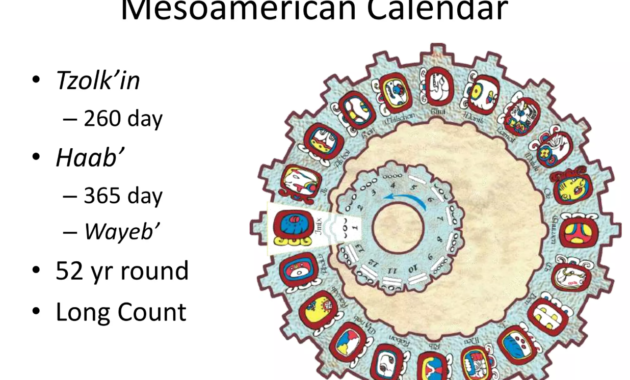
The system is based on three primary calendars:
- The Tzolk’in (ritual calendar)
- The Haab’ (solar calendar)
- The Long Count (historical calendar)
Together, these calendars allowed the Maya to measure time across days, years, and vast historical cycles.
The Tzolk’in: Ritual and Astronomical Cycles
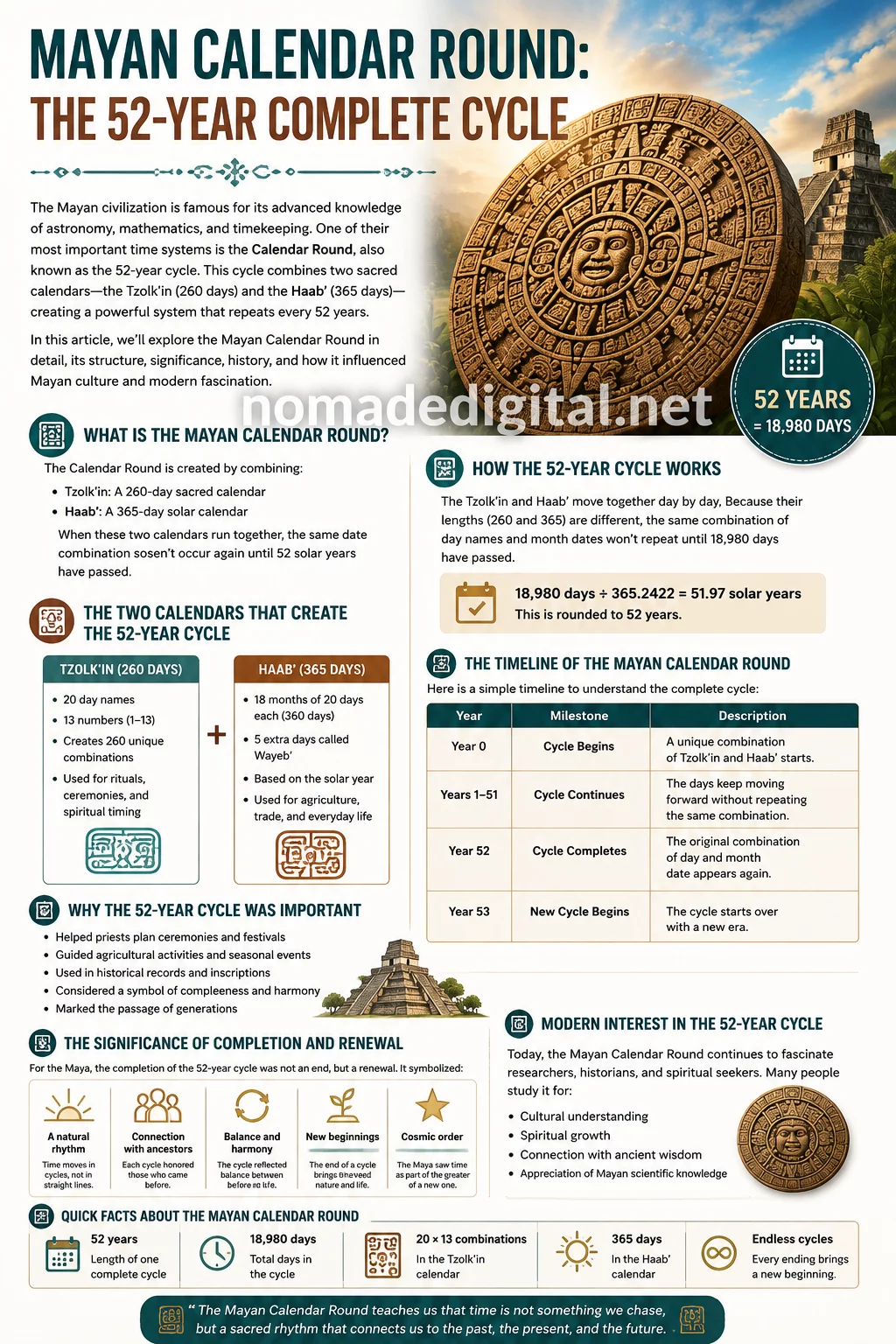
The Tzolk’in is a 260-day calendar created by combining 20 day names with 13 numbers. This cycle played a central role in religious ceremonies, divination, and astrological interpretation.
Many scholars believe the 260-day cycle is connected to:
- Human gestation periods
- Agricultural planting cycles
- Observed movements of celestial bodies
The Haab’: The Solar Year Calendar
The Haab’ calendar closely approximates the solar year. It consists of 365 days divided into 18 months of 20 days, plus a short five-day period known as Wayeb’.
Although slightly shorter than the modern solar year, the Haab’ demonstrates the Maya’s strong understanding of seasonal cycles and solar movement.
The Calendar Round: Synchronizing Cycles
The Tzolk’in and Haab’ calendars interlock to form the Calendar Round, a 52-Haab’ cycle (approximately 52 solar years). A specific date within the Calendar Round would not repeat until the full cycle was completed.
This system was used for:
- Scheduling ceremonies
- Tracking agricultural seasons
- Coordinating social and political events
The Long Count: Measuring Deep Time
The Long Count calendar was designed to track time across thousands of years. It records the number of days elapsed since a mythological creation date.
The system uses a base-20 mathematical structure with units such as:
- Kin (day)
- Uinal (20 days)
- Tun (360 days)
- K’atun (7,200 days)
- B’ak’tun (144,000 days)
This allowed the Maya to document historical events with exact dates far beyond a single human lifetime.
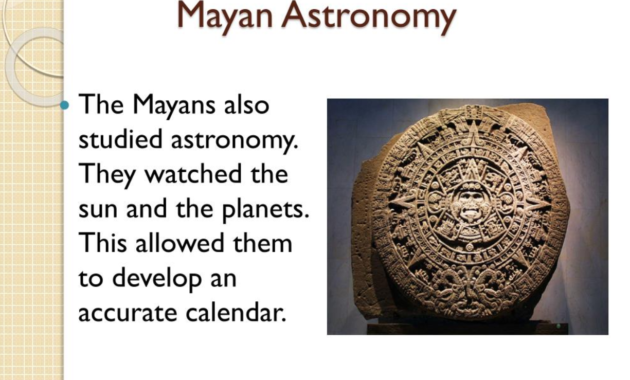
Advanced Astronomy in the Maya Calendar
The Maya carefully observed celestial bodies including the Sun, Moon, Venus, and Mars. Their astronomical records tracked:
- Solar solstices and equinoxes
- Lunar cycles and eclipses
- Planetary movements, especially Venus
Venus cycles were particularly important and were used to time warfare, rituals, and royal events.
Maya Observatories and Architecture
Maya architecture often aligned with astronomical events. Observatories, temples, and pyramids were constructed to mark solar and planetary positions on specific dates.
This integration of architecture and astronomy reflects a deep cosmological worldview where time, space, and ritual were inseparable.
Misconceptions About the Maya Calendar
One of the most common misconceptions is that the Maya calendar predicted the end of the world. In reality, the completion of a Long Count cycle symbolized renewal and continuity, not destruction.
The calendar was designed to repeat and extend indefinitely.
Why the Maya Calendar Still Matters Today
The Maya calendar system demonstrates that advanced scientific knowledge existed in the Americas long before European contact. It highlights the intellectual achievements of ancient civilizations and continues to influence modern studies of astronomy, mathematics, and anthropology.
Conclusion
The Maya calendar system stands as a remarkable example of advanced astronomy in ancient America. Through complex cycles, precise calculations, and deep cosmic symbolism, the Maya created one of the most accurate and meaningful timekeeping systems in human history.
Understanding the Maya calendar helps us appreciate the scientific sophistication and cultural depth of ancient Mesoamerican civilizations.
FAQ Section
What is the Maya calendar system?
The Maya calendar system is a set of interconnected calendars used for ritual, solar, and historical timekeeping.
How accurate was the Maya calendar?
The Maya solar calendar was extremely accurate, differing from the modern solar year by only a small fraction of a day.
Did the Maya calendar predict the end of the world?
No. The calendar marks cycles and renewal, not apocalyptic events.
Why was astronomy important to the Maya?
Astronomy guided agriculture, religion, politics, and architecture within Maya society.
Is the Maya calendar still used today?
While not used for daily life, it remains important for cultural traditions and academic study.