The Hebrew calendar is a unique lunisolar system that masterfully blends the lunar months and solar year to maintain a perfect balance. This intricate calendar, used for thousands of years in Jewish culture, ensures that religious festivals and agricultural seasons align correctly with the natural cycles of the moon and sun.
The Lunisolar Nature of the Hebrew Calendar
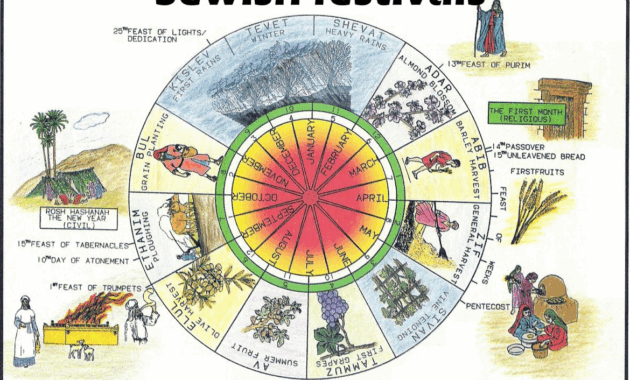
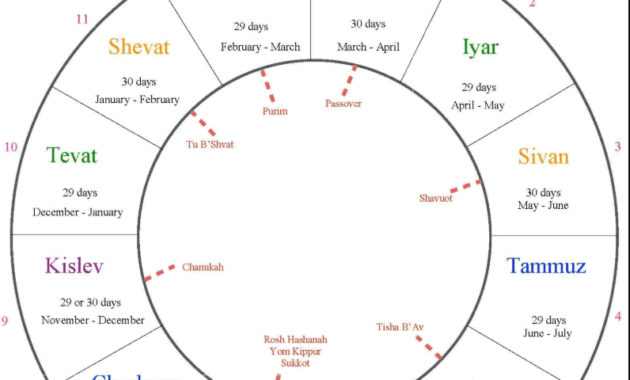
The calendar consists of twelve lunar months, each lasting roughly 29 or 30 days, beginning with the new moon. This lunar structure creates a natural rhythm tied closely to the moon’s phases. However, since a lunar year (approximately 354 days) is about 11 days shorter than a solar year (about 365.24 days), the Hebrew calendar incorporates solar elements to stay synchronized with the sun’s seasonal cycle.
The Metonic 19-Year Cycle and Leap Months
To resolve the difference between the lunar and solar years, the Hebrew calendar follows a 19-year Metonic cycle. Within this cycle, seven years are designated as leap years, during which an additional month called Adar II is added. This leap month keeps festivals like Passover in the spring, preserving seasonal accuracy.
Cultural and Religious Importance
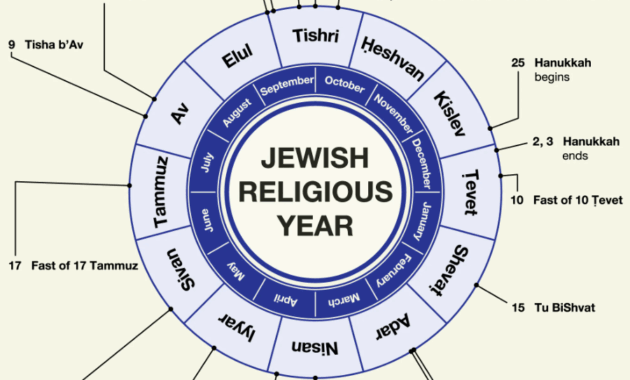
This synchronization enables the calendar to serve both religious rituals and agricultural needs. Jewish holidays such as Rosh Hashanah, Yom Kippur, and Sukkot depend on this system to fall at consistent times each year relative to the seasons. By placing months according to lunar cycles but adjusting for the solar year, the Hebrew calendar maintains its distinctive balance that continues to govern traditional Jewish life today.
How Lunar and Solar Elements Work Together
- Lunar Months: Each month begins with the new moon, lasting either 29 or 30 days.
- Solar Year: The calendar is adjusted to keep in sync with the progression of seasons.
- Leap Months: Seven leap years add a 13th month (Adar II) to correct drift.
- Seasonal Festivals: Ensures key holidays correspond to proper seasons, such as Passover in spring.
Why This Balance Still Matters
The Hebrew calendar’s lunisolar design is an elegant solution blending astronomical cycles with cultural tradition. It preserves the natural world’s rhythms while providing a reliable framework for historical remembrance and religious observance, making it invaluable for Jewish identity and communal life.
Conclusion
The Hebrew calendar’s combination of lunar and solar elements reflects centuries of astronomical observation and cultural continuity. Its perfect balance allows it to remain a living system that guides religious festivals, agricultural activities, and daily life, showcasing the harmony between nature and tradition.