Most people use the Gregorian calendar every single day without thinking twice about it. It’s the calendar on your phone, your wall, and your work schedule. But here’s something most people never stop to consider: the world didn’t all switch to it at the same time. Gregorian calendar adoption was a slow, uneven, and often politically charged process that stretched across nearly four and a half centuries — from 1582 all the way to 2016. Some countries made the switch within months of its introduction. Others took hundreds of years to come around.
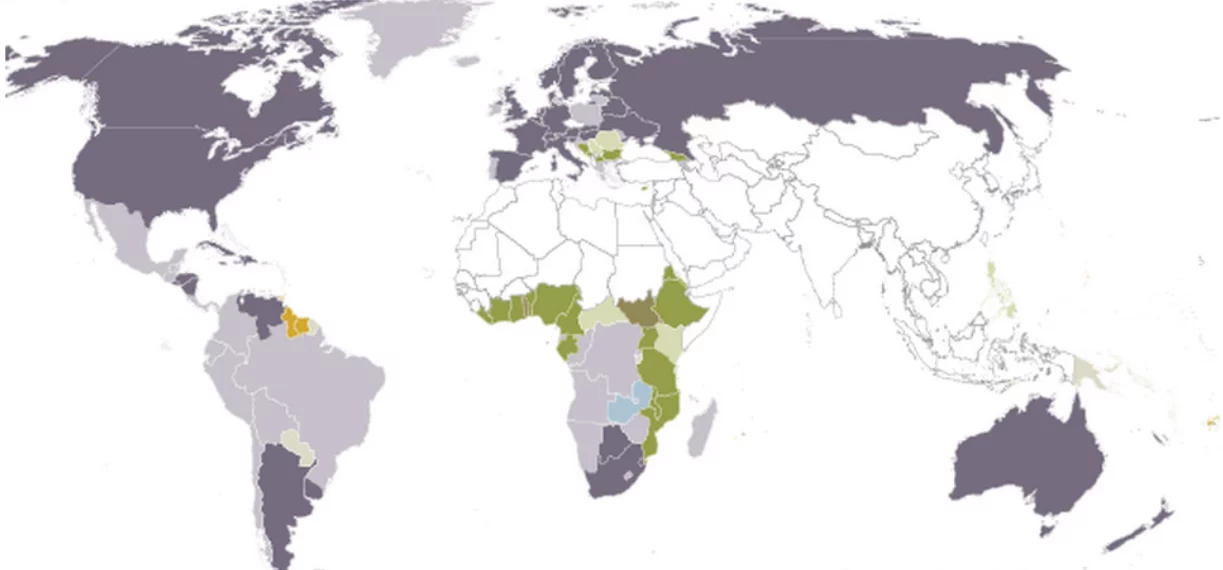
The story of how the Gregorian calendar conquered the world is really a story about religion, politics, resistance, and the messy reality of global change. Let’s walk through it, country by country, era by era.
Why the Gregorian Calendar Was Created
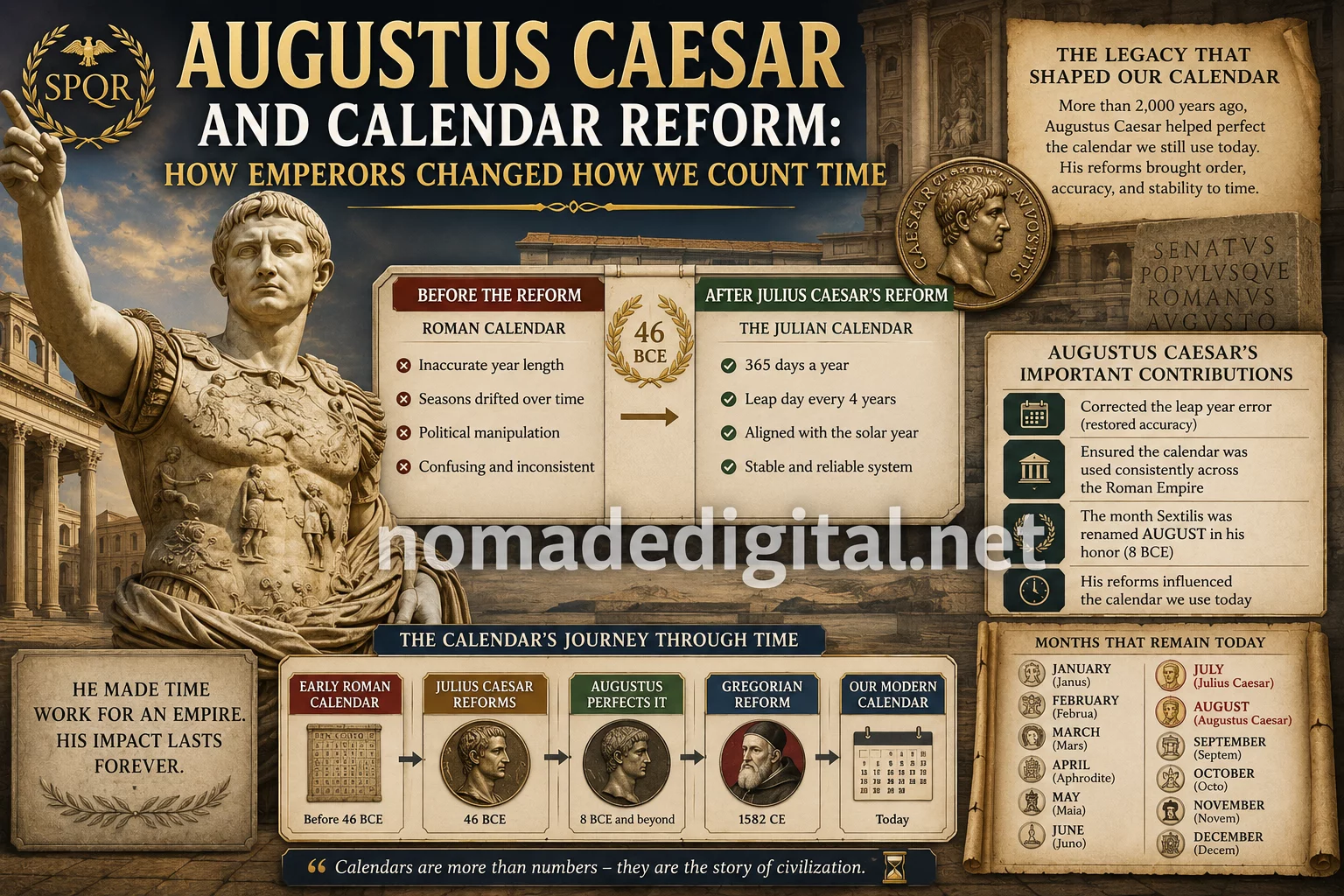
To understand why the switch happened at all, you need to understand what was wrong with the old system. Before 1582, most of Europe was running on the Julian calendar, introduced by Julius Caesar in 46 BCE. It was a reasonable system for its time, but it had a flaw: it calculated the solar year as exactly 365.25 days, which is slightly too long. The actual solar year is about 365.2422 days — a difference of roughly 11 minutes per year.
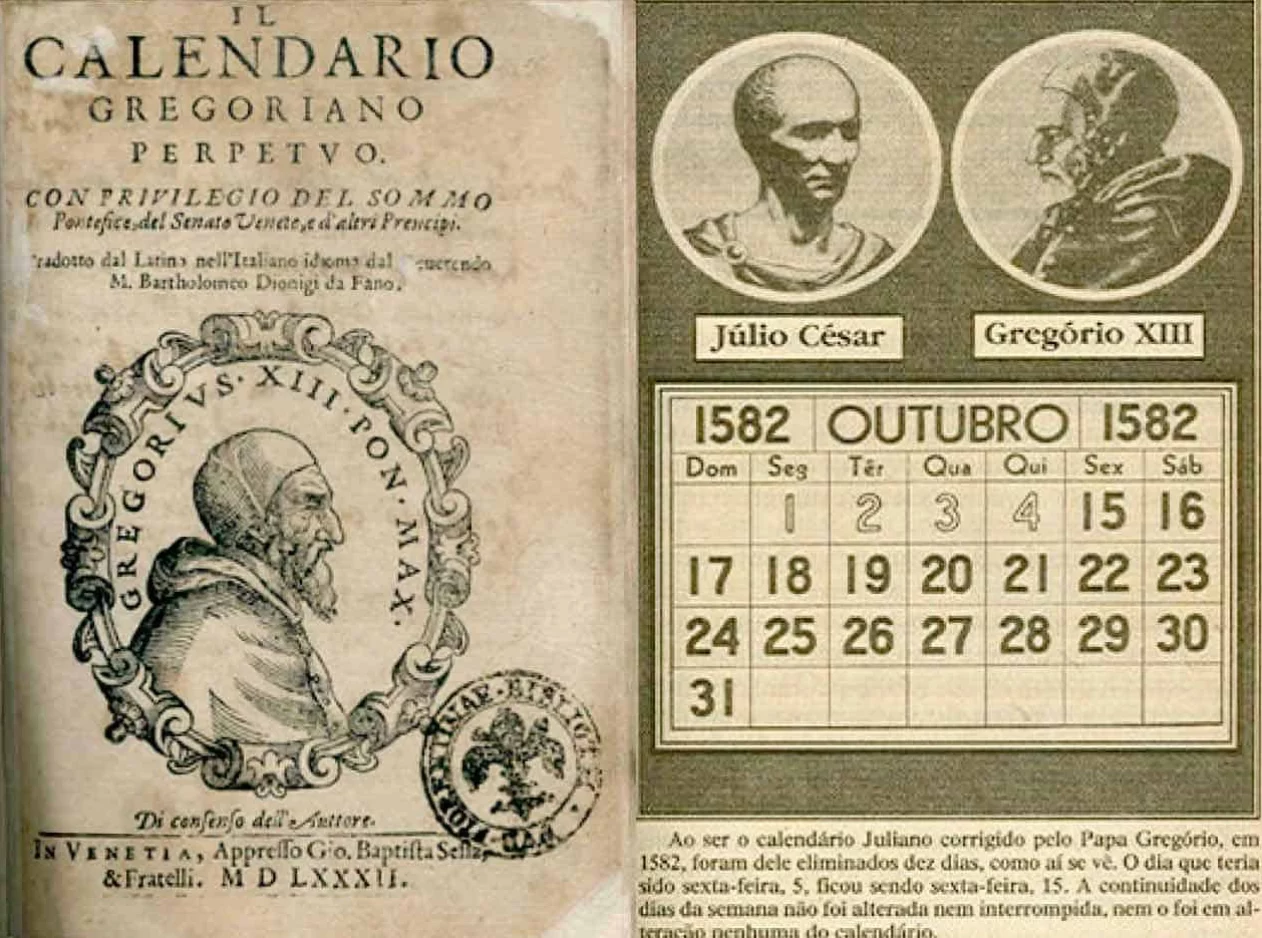
Eleven minutes doesn’t sound like much. But over thirteen centuries of use, those minutes had accumulated into a drift of about 10 full days. By the 16th century, the spring equinox — which should fall around March 21 — was arriving on March 11 according to the Julian calendar. This was a genuine problem for the Catholic Church, because the date of Easter is calculated based on the equinox. A misaligned calendar meant Easter was being celebrated at the wrong time of year.
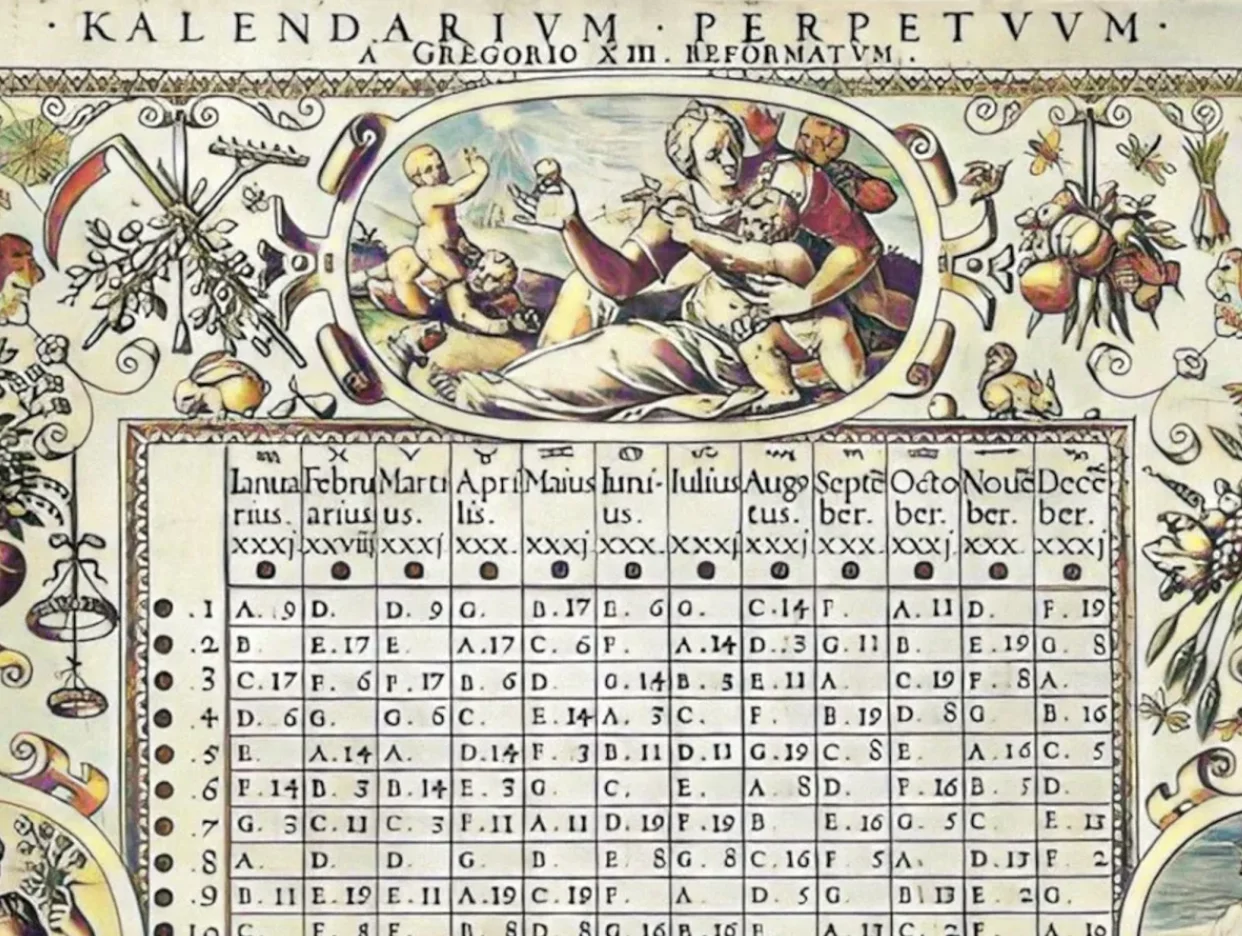
Pope Gregory XIII acted. In February 1582, he issued a papal bull introducing a reformed calendar — the Gregorian calendar — which fixed the leap year rule to eliminate the long-term drift. To correct the existing misalignment, 10 days were simply dropped from October 1582. Thursday, October 4 was followed directly by Friday, October 15. Just like that, the calendar lurched forward, and a new era of timekeeping began.
The First Adopters: Catholic Europe (1582–1587)
The earliest adopters were, predictably, the Catholic nations of Europe. Since the reform came directly from the Pope, Catholic countries had strong religious and political incentives to comply quickly. In 1582, Italy, Spain, Portugal, France, and Poland all made the switch — as did their overseas colonies in the Americas, Asia, and Africa. Catholic regions of the Low Countries (modern Belgium and parts of the Netherlands) followed almost immediately.
By 1584, Catholic German states and the Kingdom of Bohemia had adopted the new calendar. Hungary followed in 1587. For these nations, aligning with Rome was not just a religious act — it was a signal of political loyalty to the Catholic world order at a time when Europe was being torn apart by the Reformation.
Protestant Resistance: The Long Holdout
Protestant Europe was a different story entirely. For Protestant rulers and scholars, the Gregorian calendar wasn’t just a technical update — it was a product of Rome, and accepting it felt like endorsing papal authority. Many Protestant countries openly referred to it as the “Popish calendar” and refused to touch it for generations.
The German and Swiss Protestant states held out until 1700, when they finally adopted the calendar after a century of awkward dual-dating and cross-border scheduling confusion. Denmark and Norway made the same move in 1700 as well. Sweden made several false starts — briefly removing some Julian leap years in the early 1700s, creating a bizarre calendar that was out of sync with both systems — before fully completing the switch in 1753.
Great Britain — including Ireland and all its American colonies — didn’t adopt the Gregorian calendar until September 1752, through the Calendar (New Style) Act of 1750. By that point, the Julian calendar had drifted 11 days behind the Gregorian, meaning Britain had to skip September 3 through September 13 entirely. Legend has it that people rioted in the streets demanding their “lost days” back — though historians debate how widespread that unrest actually was. The switch also moved the start of the legal new year from March 25 to January 1, a change that shaped the English-speaking world’s relationship with New Year’s Day.
A Country-by-Country Adoption Timeline
Here is a clear overview of when major countries made the official switch from the Julian to the Gregorian calendar:
| Year | Country / Region |
|---|---|
| 1582 | Italy, Spain, Portugal, France, Poland, Catholic Netherlands |
| 1584 | Austria, Catholic German states, Kingdom of Bohemia |
| 1587 | Hungary |
| 1610 | Prussia |
| 1700 | Protestant German states, Denmark, Norway |
| 1752 | Great Britain, Ireland, British American colonies |
| 1753 | Sweden and Finland |
| 1873 | Japan |
| 1875 | Egypt |
| 1896 | Korea |
| 1912 | China, Albania |
| 1916 | Bulgaria |
| 1917 | Ottoman Empire |
| 1918 | Russia, Estonia |
| 1919 | Romania, Yugoslavia |
| 1923 | Greece |
| 1926 | Turkey (full civil adoption) |
| 1949 | China (People’s Republic, formal re-adoption) |
| 2016 | Saudi Arabia |
Asia and the East: A 19th-Century Wave
While Europe sorted out its calendar politics over two centuries, most of Asia continued using traditional indigenous systems — lunar, lunisolar, or solar — that had served their civilizations for millennia. The wave of Gregorian adoption in Asia came largely as a result of modernization movements and, in some cases, colonial pressure.
Japan made one of the most deliberate transitions in 1873, during the Meiji Restoration — a sweeping modernization program designed to bring Japan in line with Western institutions and technology. The government adopted the Gregorian calendar for official purposes overnight, though traditional Japanese calendars remained (and still remain) culturally significant. Korea followed in 1896, and China officially adopted the Gregorian calendar in 1912 following the fall of the Qing Dynasty, though the People’s Republic formally reaffirmed its use in 1949.
Russia: The Revolutionary Switch of 1918
One of the most famous and dramatic adoptions of the Gregorian calendar happened in Russia in 1918. The Russian Orthodox Church had always used the Julian calendar, and so had the Russian Empire. By 1918, Russia was 13 days behind the Gregorian calendar — a gap that caused constant confusion in international diplomacy and trade. The Bolshevik government, which had just come to power after the October Revolution of 1917, decided to fix this immediately.
In February 1918, Lenin’s government decreed that January 31 would be followed directly by February 14 — wiping out 13 days in a single stroke. The irony of history: the Russian Revolution itself is still called the “October Revolution” in Russian history because it took place in October under the Julian calendar — but by Gregorian reckoning, it actually happened in November. This quirk continues to puzzle students of history to this day.
Greece and Turkey: The Last European Holdouts
Greece held on to the Julian calendar longer than any other European country, finally switching in February 1923 — making it the last European nation to complete the transition. The delay was primarily religious: the Greek Orthodox Church was deeply resistant to any calendar associated with Rome, and the church’s influence on Greek society made reform politically difficult for decades. Even after 1923, the Greek Orthodox Church continued to calculate Easter and other religious holidays using the Julian calendar, a practice many Orthodox churches still follow today.
Turkey formally completed its civil adoption in 1926, as part of Mustafa Kemal Atatürk’s sweeping program of Westernization that transformed the former Ottoman Empire into a modern secular republic. The calendar change was one of dozens of reforms that included a new alphabet, new dress codes, and a new legal system — all aimed at repositioning Turkey as a European-style nation-state.
The Most Recent Adopter: Saudi Arabia in 2016
Perhaps the most surprising entry on the Gregorian adoption timeline is Saudi Arabia, which officially switched to the Gregorian calendar for government and payroll purposes in October 2016 — just a decade ago. Prior to this, Saudi Arabia used the Islamic Hijri calendar for all official business, including government salaries. The switch was driven largely by financial pressure: falling oil prices had created a budget crisis, and switching to the Gregorian calendar allowed the government to reduce the number of monthly pay periods (since the Islamic lunar year has only 354 days compared to 365, resulting in an extra salary cycle over time). Saudi Arabia still uses the Hijri calendar for Islamic religious purposes.
A Calendar That United a Fragmented World
The full arc of Gregorian calendar adoption spans 434 years — from Italy in 1582 to Saudi Arabia in 2016. No other administrative standard in world history has taken that long to achieve near-universal acceptance. And even now, it isn’t perfectly universal: the Ethiopian, Hebrew, Islamic, Persian, and several other calendars remain in active official or religious use around the world.
What the Gregorian calendar’s adoption story really reveals is how deeply time is embedded in identity — religious, political, and cultural. Nations didn’t just change their calendars; they renegotiated their relationship with Rome, with modernity, with empire, and with each other. The calendar on your wall is, in its own quiet way, the result of centuries of argument, resistance, and compromise — and that makes it far more interesting than it looks.