When the world rang in 2026 on January 1st, Ethiopia was still living in 2018. No, that’s not a typo — and no, it’s not a glitch in the matrix. Ethiopia simply follows a completely different system for counting time. The Ethiopian Calendar, also known as the Ge’ez Calendar, is one of the most fascinating and ancient timekeeping systems still in active use today. It’s not just a relic of the past — it’s a living, breathing part of Ethiopian daily life, culture, and religion.
For anyone who’s ever traveled to Ethiopia or tried to schedule a meeting with someone there, this calendar difference can be genuinely mind-bending. But once you understand the logic behind it, you’ll realize it’s not confusing at all — it’s just different, and beautifully so.
What Exactly Is the Ethiopian Calendar?
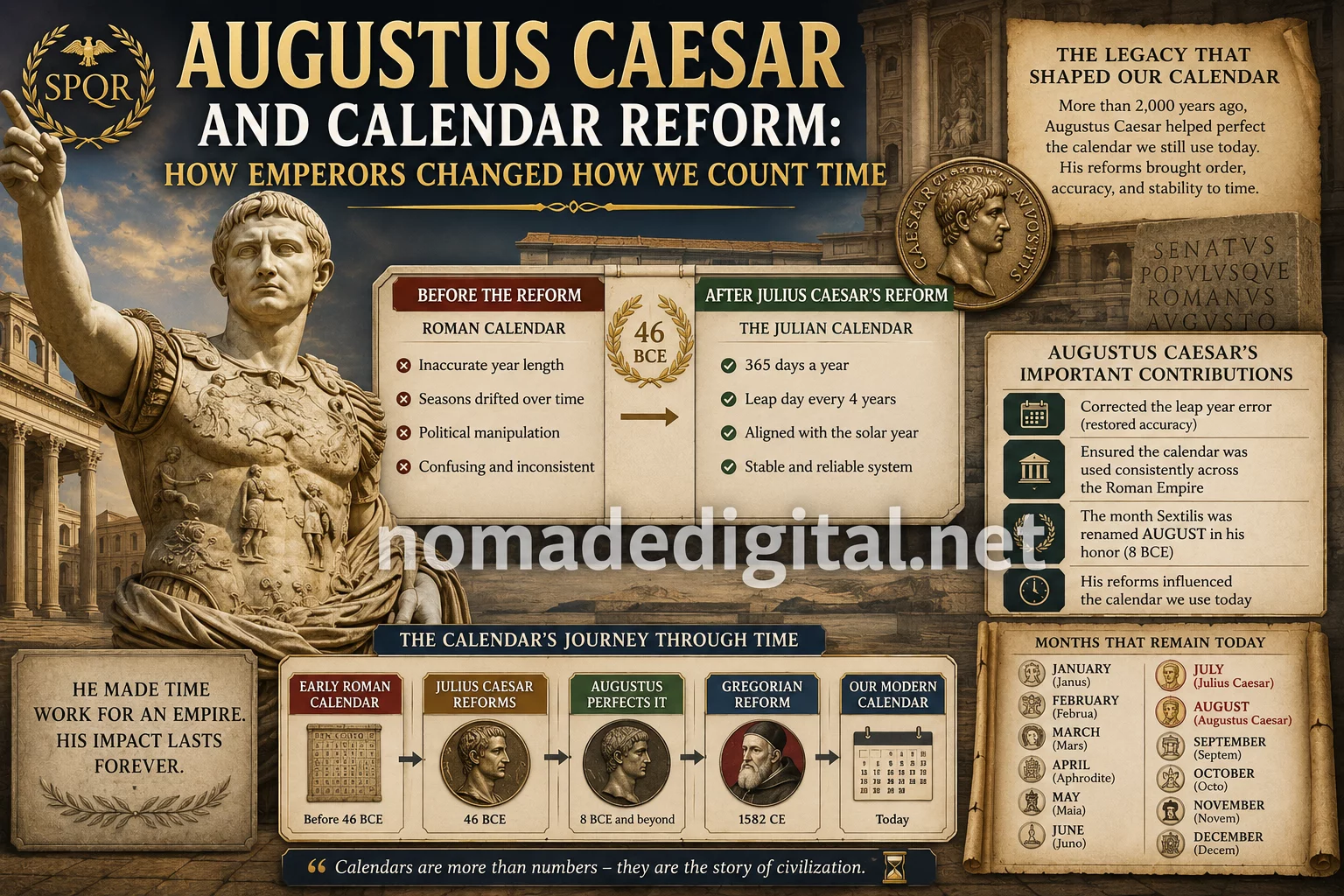
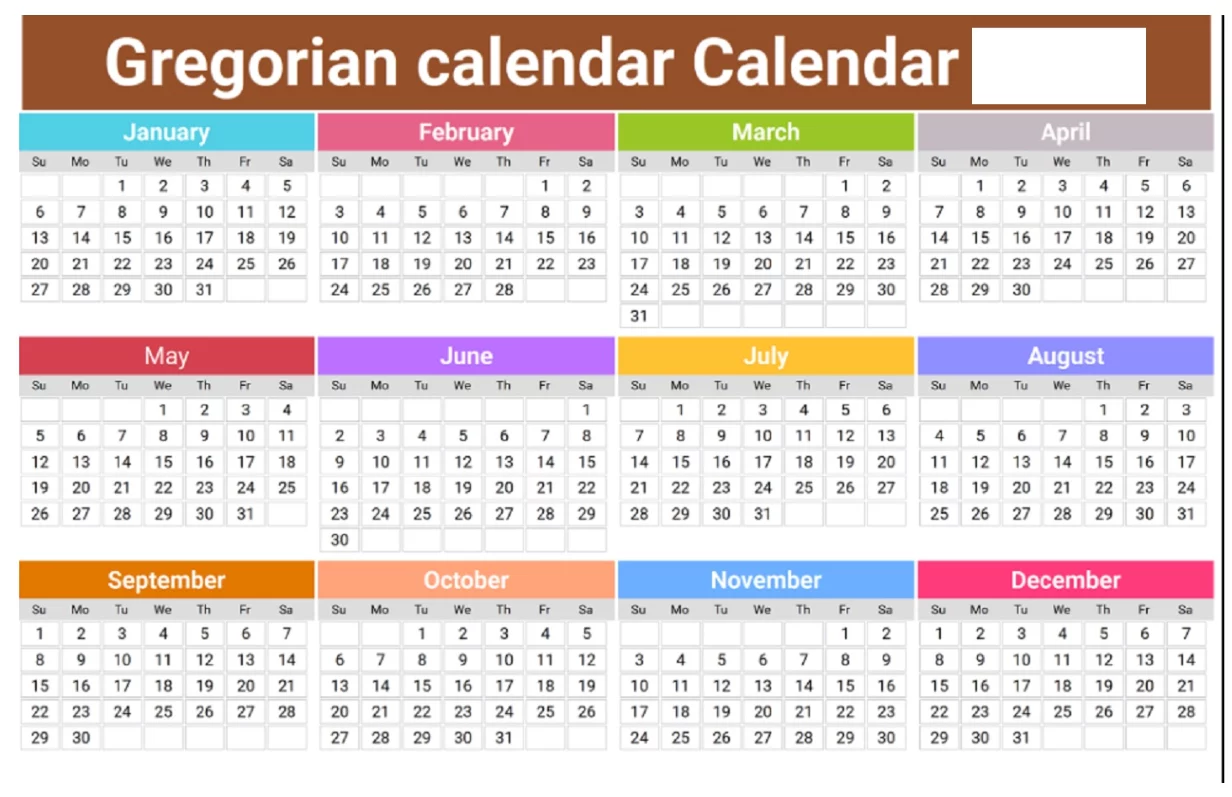
The Ethiopian Calendar is a solar calendar with ancient roots tied to the Coptic calendar of Egypt. It has been in use for at least 1,500 years and is officially recognized as the national calendar of Ethiopia. Unlike most countries that adopted the Gregorian calendar — introduced by Pope Gregory XIII in 1582 — Ethiopia preserved its own system, largely due to its long history of resisting colonization and maintaining cultural independence.
The calendar is based on older Alexandrian calculations of the birth of Jesus Christ. The Ethiopian Orthodox Tewahedo Church, which plays a massive role in Ethiopian society, follows these ancient calculations, and as a result, the Ethiopian year runs approximately 7 to 8 years behind the Gregorian calendar. In practical terms, when the rest of the world celebrated New Year 2026, Ethiopia was just entering the second half of 2018.
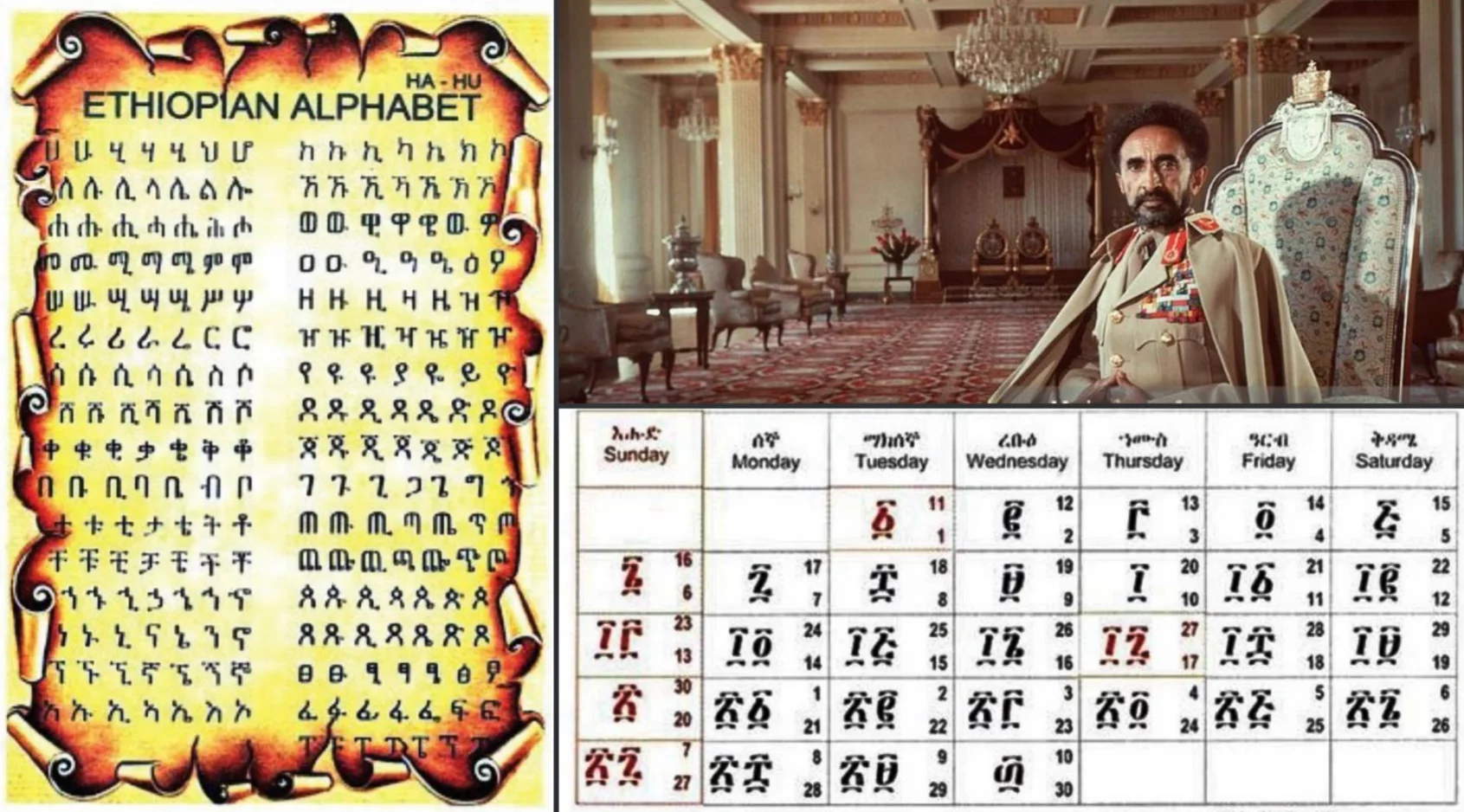
13 Months: Ethiopia’s Most Famous Calendar Feature
Perhaps the most talked-about feature of the Ethiopian Calendar is its structure: 13 months in a year. Twelve of those months have exactly 30 days each. The 13th month, called Pagume, is a short intercalary month that lasts only 5 days — or 6 days in a leap year. This structure means Ethiopia also ends up with 365 or 366 days in a year, just organized completely differently from the Western system.
Ethiopia’s tourism board has famously turned this into a marketing tagline: “Ethiopia — 13 Months of Sunshine.” It’s a clever phrase, but it points to something real: the country takes genuine pride in this unique way of experiencing time.
The Names of the 13 Ethiopian Months
Each month in the Ethiopian Calendar carries a name rooted in the Ge’ez language — the ancient liturgical language of Ethiopia. These names have been used for centuries and are deeply embedded in Ethiopian culture, poetry, and religious life. Here’s how they align with the Gregorian calendar:
- Meskerem — September 11 to October 10 (Ethiopian New Year begins here)
- Tikimt — October 11 to November 9
- Hidar — November 10 to December 9
- Tahsas — December 10 to January 8
- Tir — January 9 to February 7
- Yekatit — February 8 to March 9
- Megabit — March 10 to April 8
- Miazia — April 9 to May 8
- Ginbot — May 9 to June 7
- Sene — June 8 to July 7
- Hamle — July 8 to August 6
- Nehase — August 7 to September 5
- Pagume — September 6 to September 10 (5 or 6 days)
Why Is the Ethiopian Calendar 7–8 Years Behind?
This is the question everyone asks, and the answer comes down to a theological disagreement that happened centuries ago. Both the Ethiopian Orthodox Church and the Roman Catholic Church used calculations based on when Jesus Christ was born. However, they arrived at different answers.
The Roman Catholic tradition, which eventually shaped the Gregorian calendar, placed the birth of Christ at a specific year. The Ethiopian and Coptic Christian traditions, following older Alexandrian calculations, placed the annunciation of Christ’s birth several years later. Over time, this theological difference in calculation created the 7 to 8 year gap we see today. It’s not a mistake — it’s a deliberate result of Ethiopia following its own religious and astronomical reckoning, one it has never felt the need to abandon.
When Does the Ethiopian New Year Begin?
Ethiopian New Year, called Enkutatash, falls on the first day of Meskerem — which corresponds to September 11 in the Gregorian calendar, or September 12 in a leap year. The word “Enkutatash” means “gift of jewels” in Amharic, and the celebration is one of the most joyful occasions in Ethiopia, marked with flowers, songs, and religious observance.
The timing of the New Year in September also has a natural logic to it. It coincides with the end of Ethiopia’s rainy season (kiremt), when the land turns green and flowers bloom — a time that genuinely feels like a fresh beginning. In contrast, January 1 in many parts of the world can feel like the dead of winter, with little in nature to signal renewal.
How Ethiopian Time Works — Double the Confusion
If the calendar difference wasn’t enough, Ethiopia also uses a different system for telling time during the day. The Ethiopian clock starts at what the rest of the world calls 6:00 AM — so Ethiopian “1 o’clock” is Gregorian 7:00 AM. The day is divided into two 12-hour cycles: one from dawn (6 AM Gregorian) and one from dusk (6 PM Gregorian). This system makes intuitive sense within the Ethiopian context, since dawn and dusk are consistent year-round near the equator — but it’s another layer of adjustment for visitors.
Cultural Significance and Modern Life
The Ethiopian Calendar isn’t just a historical curiosity — it’s actively used in everyday life. Government offices, religious institutions, and most Ethiopians use it alongside or even instead of the Gregorian calendar. Official Ethiopian documents, holidays, and legal timelines are all structured around this system. The Ethiopian Orthodox Church uses it to determine the dates of major feasts like Timkat (Epiphany) and Fasika (Easter), which often fall on different days than their Western Christian equivalents.
International businesses and NGOs working in Ethiopia quickly learn to operate in both systems simultaneously. Schools teach both calendars, and Ethiopians living abroad comfortably switch between the two depending on context. Far from being a burden, most Ethiopians view their calendar as a source of national pride — a symbol of independence that survived centuries of attempted conquest and cultural erasure.
Ethiopia’s Calendar as a Symbol of African Independence
Ethiopia is one of the very few African countries never to be formally colonized — a fact that deeply shapes its national identity. While neighboring countries adopted Western timekeeping as a result of colonial rule, Ethiopia never had that forced transition. The Ethiopian Calendar, therefore, stands as a living monument to self-determination. It’s a reminder that there is no single “correct” way to organize time — and that different civilizations developed sophisticated, rational systems long before any single standard was imposed globally.
For travelers, historians, and curious minds alike, the Ethiopian Calendar offers a genuinely different lens through which to understand time — not as a fixed, universal ruler, but as a cultural construct shaped by faith, astronomy, and the rhythms of the natural world. It’s a system that has served a great nation for over 1,500 years, and shows no sign of disappearing anytime soon.