In Vietnam, time isn’t only tracked by numbers on a modern calendar—it’s deeply tied to tradition, family, and cultural identity. The Vietnamese Lunar Calendar plays a central role in daily life, especially when it comes to festivals, rituals, and important life events.
While the Gregorian calendar is widely used for official purposes, the lunar calendar remains essential for understanding Vietnamese culture. From planning weddings to celebrating the biggest holiday of the year—Tet—the lunar system continues to shape how people experience time.
What Is the Vietnamese Lunar Calendar?
The Vietnamese Lunar Calendar is based on the cycles of the moon, similar to the Chinese lunar calendar but with its own unique adaptations. Months begin with the new moon, and each year is associated with one of the 12 zodiac animals.
Unlike the solar-based Gregorian calendar, this system shifts slightly each year. That’s why traditional holidays don’t fall on the same dates annually in Western calendars.
This calendar is still widely used to determine auspicious days, religious observances, and cultural celebrations across Vietnam.
The Importance of Tet (Vietnamese New Year)
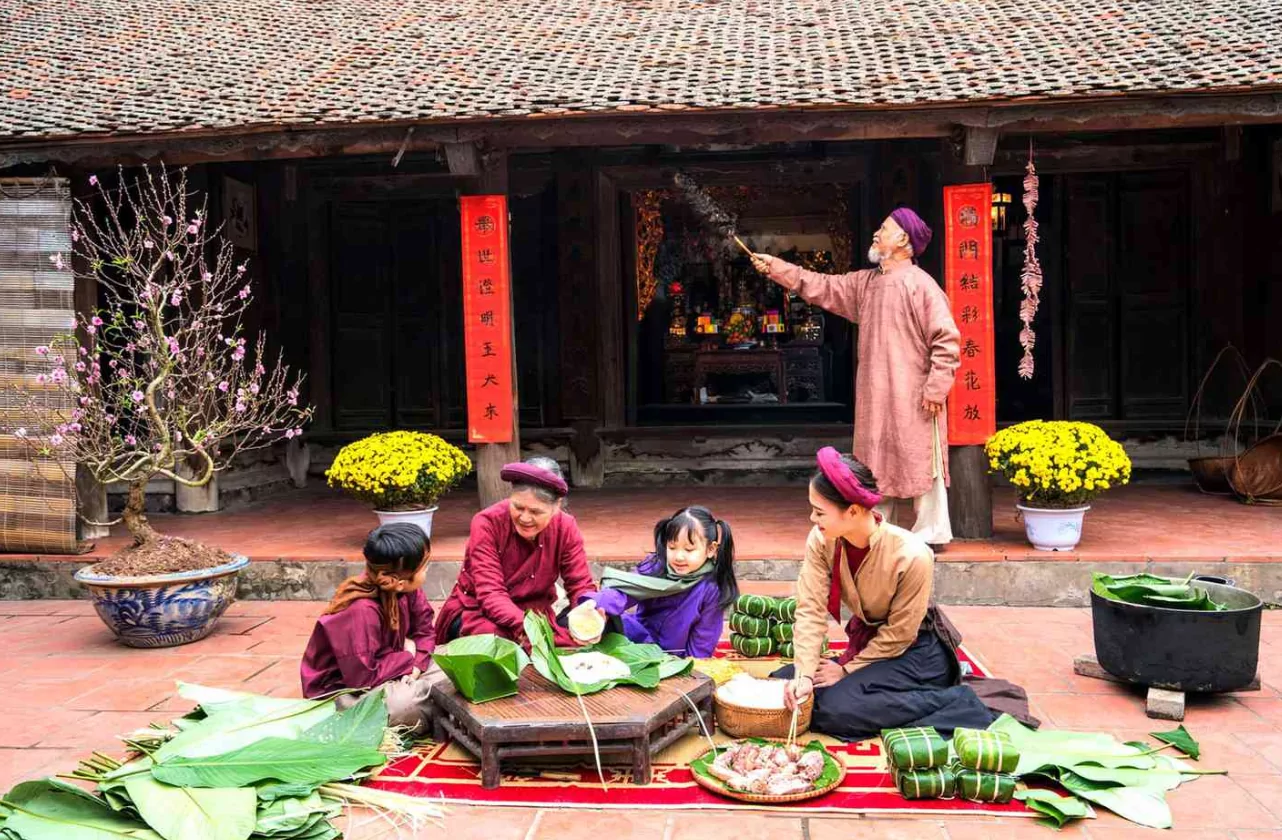
The most significant event in the Vietnamese Lunar Calendar is Tet, or Vietnamese New Year. It marks the arrival of spring and is a time for renewal, family gatherings, and honoring ancestors.
A Time for Family Reunion
Tet is often compared to a mix of Christmas and New Year in Western cultures. Families travel long distances to return home, share meals, and celebrate together.
Cleaning and Preparation
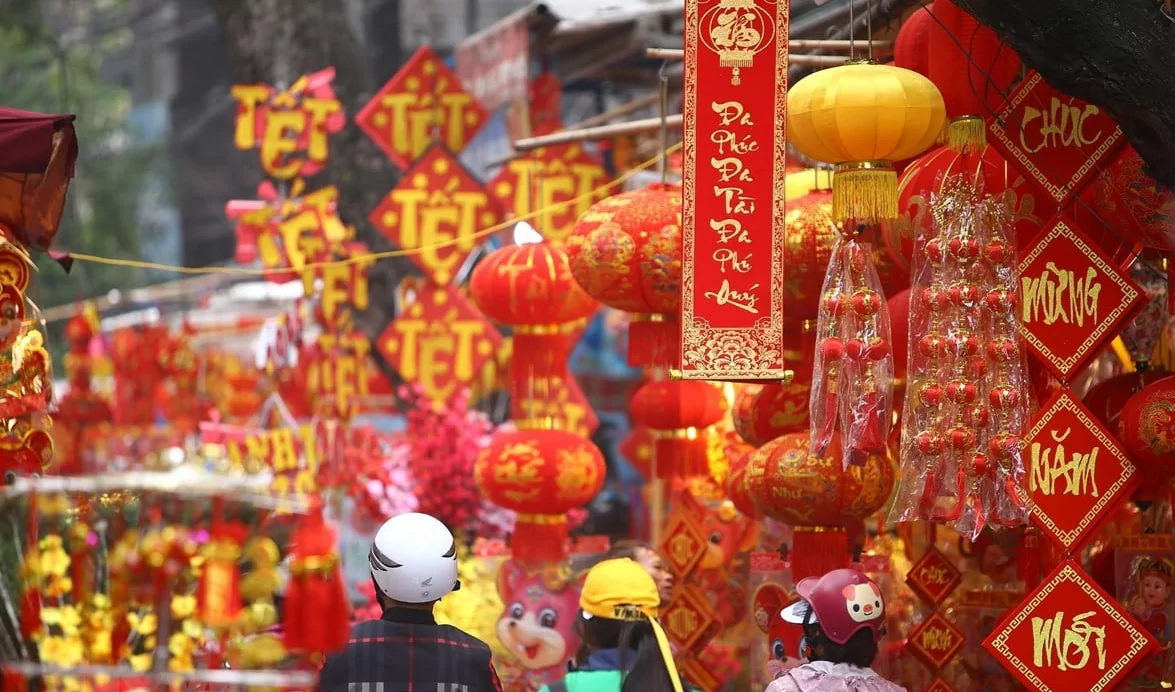
Before Tet begins, homes are thoroughly cleaned to remove bad luck and make room for good fortune. Decorations like peach blossoms, kumquat trees, and red banners are commonly displayed.
Lucky Money and Traditions
Children receive “lì xì” (lucky money) in red envelopes, symbolizing prosperity and good luck for the year ahead.
Zodiac Animals and Their Meaning
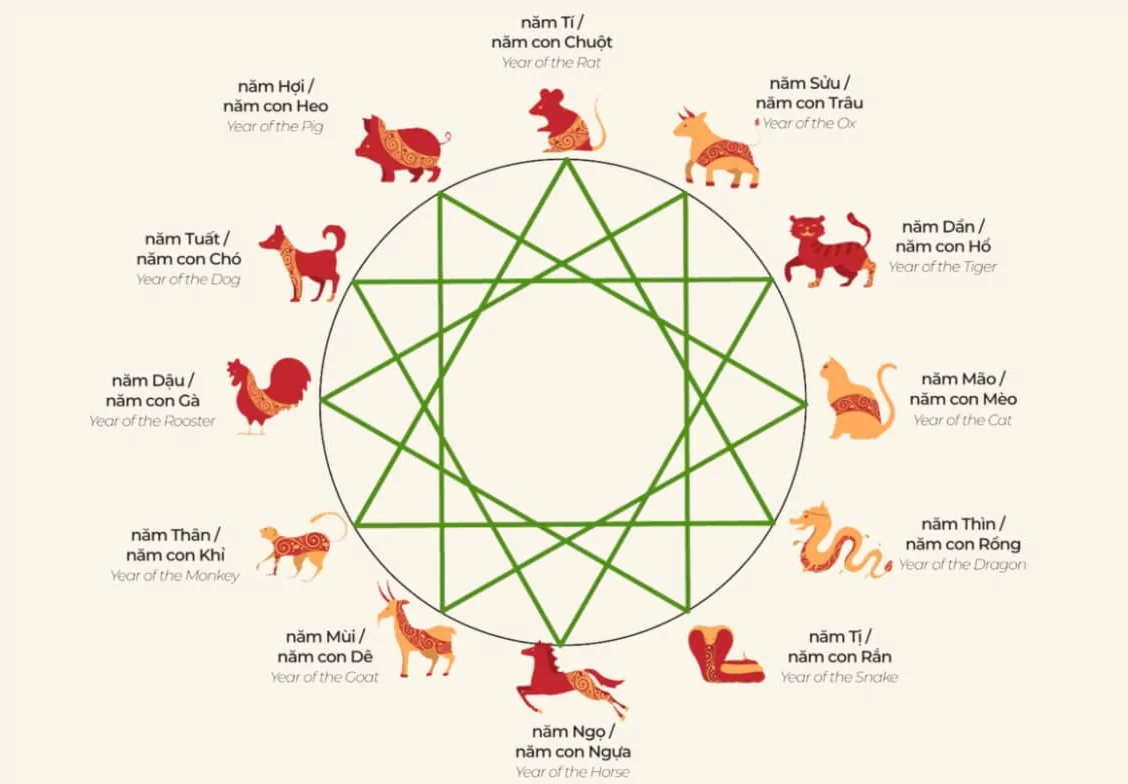
Each year in the Vietnamese Lunar Calendar is associated with an animal from the zodiac cycle. These animals are believed to influence personality traits and fortune.
- Rat
- Buffalo (instead of Ox)
- Tiger
- Cat (instead of Rabbit)
- Dragon
- Snake
- Horse
- Goat
- Monkey
- Rooster
- Dog
- Pig
The inclusion of the Cat instead of the Rabbit is one of the key differences between the Vietnamese and Chinese zodiac systems.
Other Important Lunar Calendar Celebrations
While Tet is the most famous, there are many other events tied to the Vietnamese Lunar Calendar.
Mid-Autumn Festival (Tet Trung Thu)
This festival celebrates the harvest and is especially meaningful for children. Lanterns, mooncakes, and lion dances are common during this time.
Hung Kings’ Festival
This national holiday honors the ancient founders of Vietnam. It is a time to remember history and pay respect to ancestors.
Ghost Festival (Vu Lan)
Also known as the Hungry Ghost Festival, this day is dedicated to honoring deceased relatives and offering prayers for wandering spirits.
How the Lunar Calendar Shapes Daily Life
The Vietnamese Lunar Calendar is not just about festivals—it influences everyday decisions and routines.
Choosing Auspicious Dates
Many people consult the lunar calendar when planning weddings, opening businesses, or moving into a new home.
Spiritual Practices
Temple visits, ancestor worship, and offerings are often scheduled based on lunar dates.
Agricultural Activities
Farmers traditionally rely on lunar cycles to guide planting and harvesting seasons.
Differences Between Lunar and Gregorian Calendars
Understanding the differences helps avoid confusion when traveling or planning events in Vietnam.
- Calendar Basis: Lunar vs solar
- Date Variability: Changes each year
- Cultural Role: Strong traditional influence
- Usage: Combined with the Gregorian system
In modern Vietnam, both calendars are used side by side, depending on the context.
Why the Vietnamese Lunar Calendar Still Matters
Despite modernization, the Vietnamese Lunar Calendar remains deeply relevant. It connects generations, preserves traditions, and reflects the country’s cultural identity.
For many Vietnamese people, this calendar is not just about marking time—it’s about maintaining a connection to family, history, and spirituality.
Even younger generations continue to celebrate lunar holidays, proving that tradition still holds strong in a rapidly changing world.
Tips for Visitors and Cultural Enthusiasts
Plan Around Tet
Tet is a beautiful but busy time. Many businesses close, and transportation can be crowded, so plan accordingly.
Respect Traditions
If you’re invited to a celebration, follow local customs and show respect, especially during religious activities.
Learn Basic Zodiac Signs
Understanding zodiac animals can help you connect with locals and appreciate cultural conversations.
Use Calendar Apps with Lunar Features
Many digital tools now include lunar dates, making it easier to track important events.
Conclusion
The Vietnamese Lunar Calendar offers a unique way of understanding time—one that goes beyond schedules and deadlines. It reflects a lifestyle centered around family, tradition, and harmony with nature.
By learning how this calendar works, you gain insight into the heart of Vietnamese culture. From Tet celebrations to daily rituals, it shapes how people live, celebrate, and connect with one another.
Whether you’re planning a visit or simply exploring global traditions, the Vietnamese lunar system is a fascinating reminder that time can be experienced in many meaningful ways.