The Chinese calendar stands as one of the oldest continuous calendrical systems in human history, with over 4,000 years of use deeply rooted in Chinese culture and tradition. Unlike the Gregorian calendar used globally today, the Chinese calendar is a lunisolar system, tracking both lunar months and solar terms, reflecting the rhythms of nature.
Historical Origins and Development
The origins of the Chinese calendar trace back to ancient astronomical observations recorded as early as the Shang dynasty around 1600 BCE. Early astronomers meticulously tracked lunar phases and solar cycles using tools like gnomons and water clocks to create a sophisticated calendar system. This lunisolar calendar was refined through successive dynasties, including the Han, who introduced the Taichu Calendar in 104 BCE — a significant milestone that shaped the calendar for centuries.
Over time, the calendar evolved by incorporating advances in astronomy, especially during the Ming and Qing dynasties, with Jesuit astronomers introducing Western astronomical methods that enhanced accuracy. The Chinese calendar elegantly balances lunar months of 29-30 days with the solar year, using leap months to realign the calendar with the seasons.
Cultural Significance and Modern Use
While modern China officially uses the Gregorian calendar for civil purposes, the traditional Chinese calendar remains vital culturally. It governs the dates of major festivals such as Chinese New Year and the Mid-Autumn Festival, guides agricultural activities, and influences astrology and traditional decision-making including weddings, moving, and business openings.
Chinese communities worldwide continue to celebrate festivals according to the lunar calendar, preserving this ancient wisdom across generations. The calendar’s division into 24 solar terms also uniquely segments the year, marking seasonal changes closely tied to farming and natural phenomena.
Why the Chinese Calendar Still Matters Today
- Cultural Identity: Maintains a strong link to Chinese heritage and festivities.
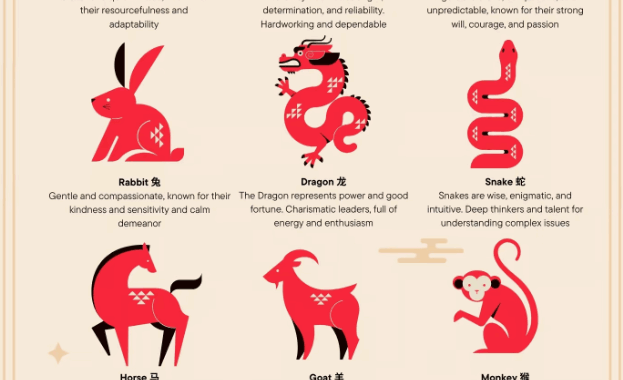
- Astrological Importance: Governs zodiac signs, fortune-telling, and traditional calendars.
- Agricultural Relevance: Solar terms help farmers plan planting and harvesting.
- Historical Continuity: Provides a living connection to ancient Chinese science and philosophy.
- Global Influence: Used by Chinese diaspora worldwide for cultural celebrations.
Conclusion
The Chinese calendar exemplifies how ancient knowledge can endure and adapt over millennia. Its unique lunisolar structure, cultural richness, and relevance in modern life highlight the deep connection between timekeeping, nature, and tradition, making it much more than just a way to mark dates. For many, it remains a vital living tradition that continues to shape cultural identity and everyday life.