The desire to measure and organize time has driven human innovation for millennia. Long before the invention of the printed calendar or digital planners, ancient civilizations devised ingenious systems to track celestial cycles, seasons, religious festivals, and social obligations. This article explores some of the earliest known calendars in history, what we’ve learned about them, and the impact they had on the world’s first cultures.
Why Did Ancient Societies Invent Calendars?
Early humans relied on nature’s rhythms for survival: planting crops, migration, hunting, and gathering were all tied to predictable cycles. Calendars emerged as tools to interpret the patterns of the sun, moon, and stars, turning observation into organization. These systems became central for:
- Organizing agricultural activity and predicting seasons
- Coordinating communal rituals, celebrations, and ceremonies
- Tracking religious observances and creating a shared sense of time
- Recording historical events and astronomical phenomena
Lunar Calendars: Moon-Driven Timekeeping
Many of the earliest calendars tracked the phases of the moon. A lunar month reflects the time from one new moon to the next, roughly 29.5 days. Evidence of ancient lunar calendars can be found in prehistoric markings, archaeological sites, and recorded oral traditions.
- Scottish Aberdeenshire Calendar: Engraved bone artifacts dating back nearly 10,000 years display tally marks matching lunar cycles, suggesting prehistoric Britons observed and organized time by the moon.
- Egyptian Civil Calendar: Before the adoption of the solar calendar, ancient Egyptians used a lunar scheme to track months for religious and agricultural purposes.
- Chinese Calendar: One of the earliest and most enduring lunar-solar calendars, blending moon phases with solar cycles; still used for traditional festivals today.
- Babylonian Calendar: Used lunar months with periodic adjustments, pioneering the idea of intercalary months to sync with the solar year.
Solar Calendars: Harnessing the Sun’s Power
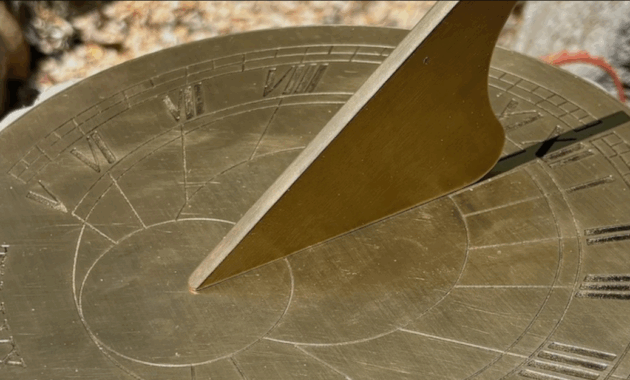
Recognizing the solar year—marked by the cycle of seasons and the position of the sun—led to the development of solar calendars. These improved agricultural planning and civil life by better aligning events with actual seasonal changes.
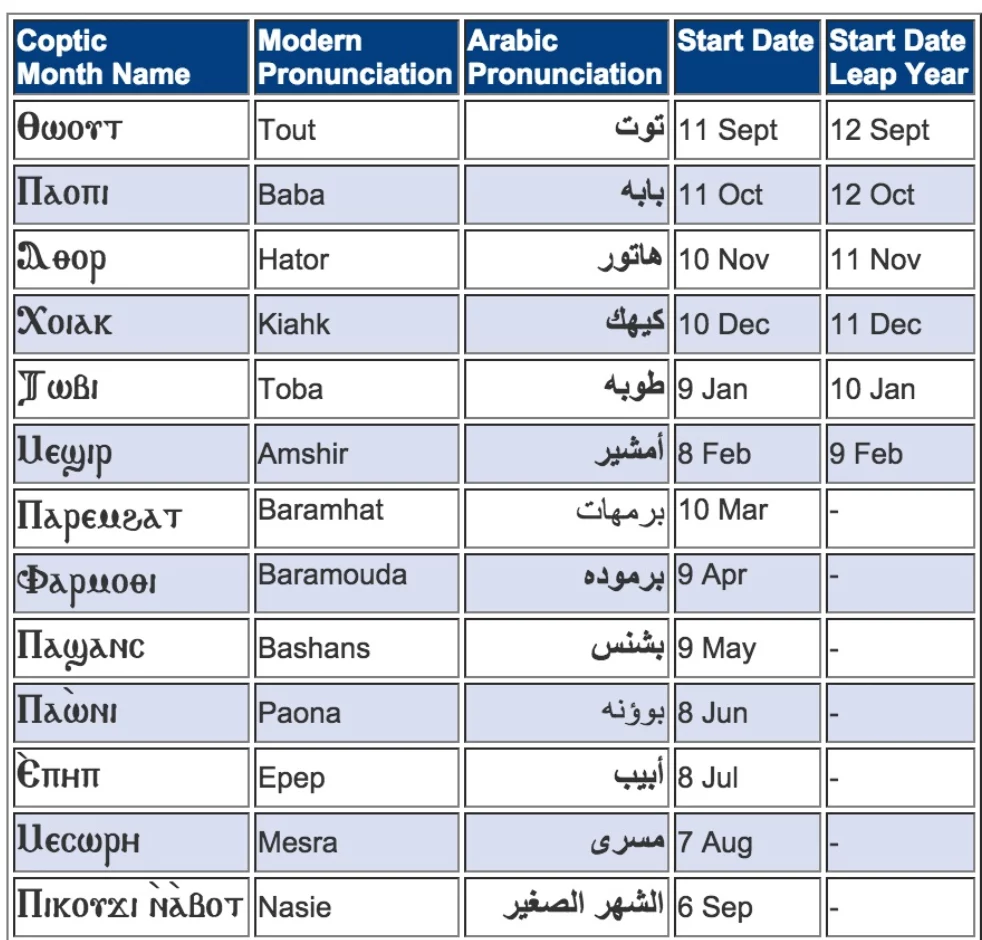
- Ancient Egyptian Calendar: One of the first solar calendars, based on the annual rising of the star Sirius and the flooding of the Nile; it featured 12 months of 30 days, plus five festival days.
- Roman Calendar: The early Roman calendar started as lunar, but reforms by Julius Caesar in 45 BCE created the Julian calendar—a solar system with 365 days and a leap year every four years, greatly influencing modern Western calendars.
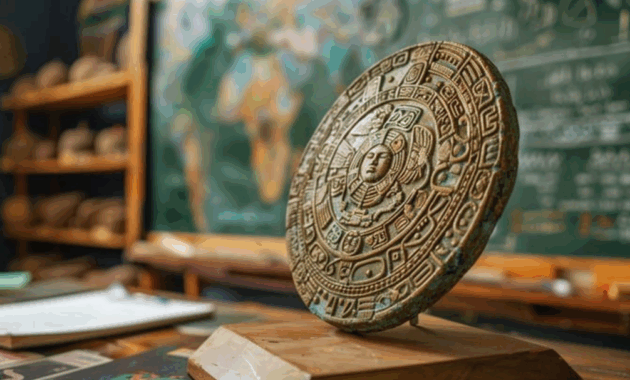
- Mayan Calendar: Combined a precise solar calendar (Haab’, 365 days) with a ritual cycle (Tzolk’in, 260 days), showing deep astronomical understanding and cultural complexity.
Lunisolar Calendars: Syncing Moon and Sun
Some cultures introduced lunisolar calendars, blending months marked by the moon with years calibrated to the sun. These systems required regular adjustments to avoid seasonal drift.
- Hebrew Calendar: Uses lunar months with periodic “leap months” to stay aligned with the solar year and agricultural cycles.
- Ancient Greek Calendar: Also employed intercalary months, adjusting the lunar cycle to rehabilitate agricultural and ceremonial timing.
- Traditional Chinese Calendar: Balances lunar months and solar terms, guiding festivals, farming, and rituals for over 3,000 years.
Megalithic Monuments: Stone Structures as Calendars
Before written calendars, ancient peoples built monumental stone structures to mark astronomical events.
- Stonehenge (England): Dating back over 4,000 years, its alignments with solstices and equinoxes suggest it functioned as a grand calendar, signaling seasonal changes and ritual days.
- Nabta Playa (Egypt): An even older stone circle in the Sahara desert, aligned to the summer solstice and possibly representing one of the world’s first astronomical calendars.
- Mesoamerican Pyramids: The pyramids of Chichen Itza and Teotihuacan were designed to cast unique shadows or align with the sun at specific times of the year, blending spirituality with astronomical precision.
Calendar Innovations: Handling the Flaws in Early Systems
No ancient calendar was perfect. Most faced the challenge of “drift”: lunar months didn’t perfectly match solar years, and solar calendars didn’t always account for the precise astronomical year.
- Intercalary months were added to lunar calendars when seasons started to slip (Babylonian, Greek, Hebrew)
- Solar calendars introduced leap years to maintain alignment (Egyptian, Julian)
- Ritual and festival cycles often ran alongside these systems, further complexifying ancient timekeeping
Legacy of Ancient Calendars: Foundations for Modern Systems
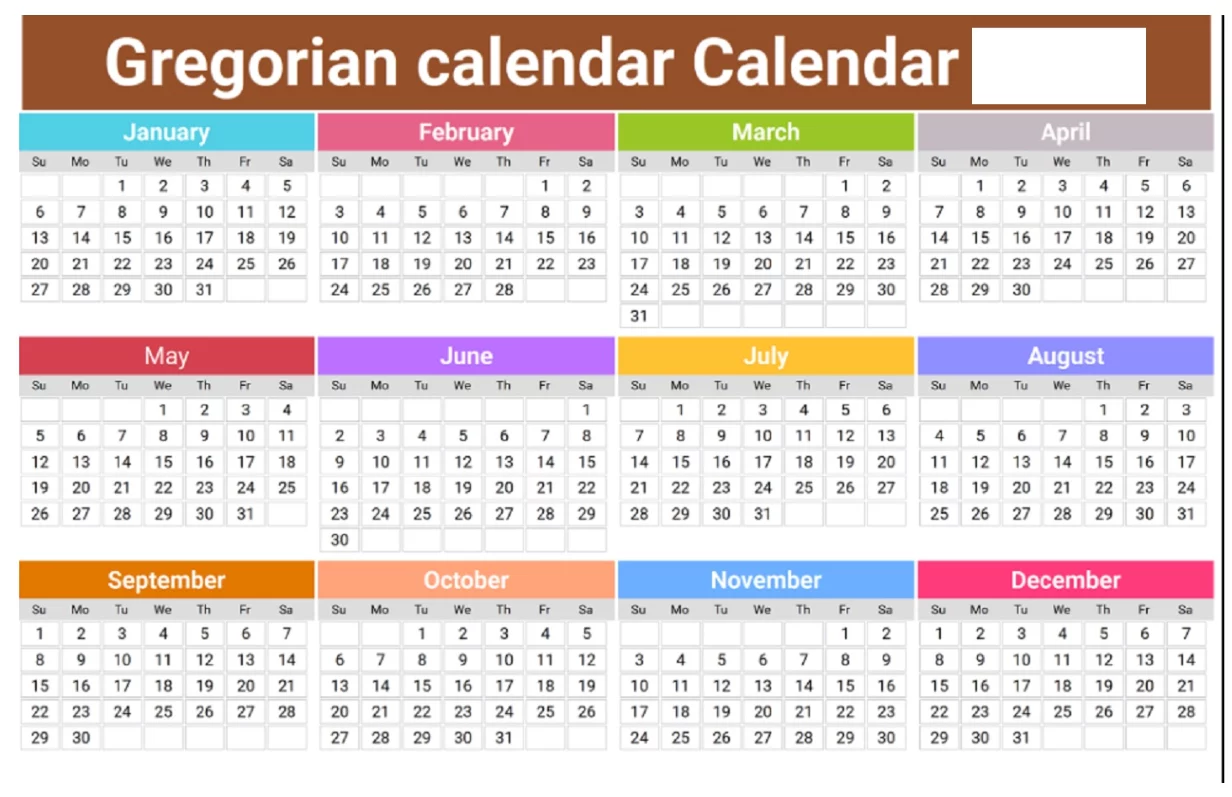
The earliest known calendars provided the foundation for the systems we use today. Our Gregorian calendar combines ancient solar wisdom with mathematical corrections, while lunar and lunisolar traditions persist globally in festivals and religious observances.
- Many cultures celebrate New Year, harvest, or religious days using ancient calendar cycles
- Solar and lunar calendars remain active in liturgical, cultural, and agricultural contexts worldwide
Conclusion: A Timeless Human Achievement
The invention of calendars reflects our enduring quest to tame and understand the passage of time. From tally marks on ancient bones to complex astronomical calculations and grand stone monuments, humanity’s earliest timekeepers laid the groundwork for civilization itself. Their legacy can still be seen—and celebrated—in the ways we measure, honor, and organize our days.