The Ancient Egyptian calendar stands as one of humanity’s earliest and most sophisticated timekeeping achievements. Its innovative structure not only guided Nile basin civilization for millennia but also laid groundwork for many modern calendrical concepts. Learn how the Egyptians measured time, what made their system revolutionary, and why echoes of their ideas continue to influence today’s global calendars.
Origins of the Ancient Egyptian Calendar
- Solar observations: The Egyptians relied heavily on solar cycles and the annual appearance of the star Sirius (Sopdet) to regulate their year.
- Agricultural necessity: Accurate timekeeping was crucial due to the seasonal flooding of the Nile, which determined farming cycles, religious festivals, and administration.
- Development: By the early dynastic periods (c. 3000 BCE), Egyptians had already devised a sophisticated calendar outpacing other contemporary civilizations.
How the Ancient Egyptian Calendar Worked
The Structure: 12 Months of 30 Days
- The civil year comprised 12 months with 30 days each, totaling 360 days.
- Months were grouped into three “seasons”: Akhet (Inundation), Peret (Emergence/Growth), and Shemu (Harvest).
- Each season had four months, reflecting Nile river’s distinctive phases.
“Epagomenal” Days: Completing the Year
- Five additional days were added at the end of the year—called “epagomenal” (from Greek meaning “added-on”).
- These special days, marking the birthdays of key deities (Osiris, Horus, Set, Isis, Nephthys), brought the total to 365 days per year.
- No leap day: Over centuries, this created a gradual “drift” against the solar year, but for daily life and ritual, it was effective.
Lunar Calendar for Rituals
- Alongside the civil solar calendar, Egyptians tracked a lunar calendar based on the monthly phases of the moon.
- Lunar months were key for religious festivals and ritual observances not strictly tied to solar cycles.
- Priests and astronomers kept tables correlating lunar and civil dates for accurate festival timing.
Key Features and Innovations
- Fixed-length months: Unlike calendars with variable month lengths, every Egyptian month had exactly 30 days, simplifying timekeeping.
- Predictable year: While the Egyptian calendar did not precisely match the solar year, its regularity was ideal for administration and agriculture.
- Dual systems: Parallel use of solar and lunar calendars reflects a sophisticated understanding of time, echoing today’s religious/calendar divides (e.g., Gregorian vs. Islamic calendars).
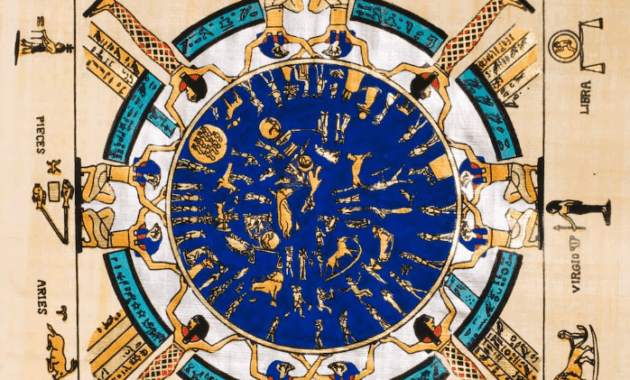
- Astronomical anchoring: Annual appearance of Sirius before sunrise marked the new year—used as an astronomical anchor point long before Western leap years were invented.
Why the Ancient Egyptian Calendar Influenced Modern Systems
Basis for the 365-Day Year
- The 365-day year, with months and weeks, echoes through the Julian and Gregorian calendars dominating Western and international civil life today.
- Adoption of fixed-length months and additional days for alignment—now a standard concept in calendars worldwide—began with Egypt’s system.
Astronomical and Agricultural Roots
- Rooted in solar/lunar cycles and the needs of agriculture, the Egyptian approach directly influenced later Greek, Roman, and Christian calendars.
- The idea of anchoring the year to a unique astronomical event (Sirius/Nile flood) was a breakthrough that would later inspire similar fixes in other ancient societies.
Legacy of Festivals and Rituals
- Many religious and seasonal festivals in Egypt’s calendar were adapted by their conquerors and neighbors (Greeks, Romans).
- The practice of tying holidays and key agricultural events to calendar dates remains fundamental in both secular and religious traditions worldwide.
Limitations and Adaptations
- The absence of a leap day meant the Egyptian year “drifted” compared to the actual solar year—important events like the Nile flood slowly shifted date over centuries.
- Egyptian astronomers and later rulers (including Julius Caesar) noted this flaw and sought ways to correct it—leading to the invention of leap years in the Julian calendar.
- This drift was less disruptive due to the stability and predictability of Egypt’s climate and river cycles, and widespread cultural adaptation to the shifting calendar.
The Egyptian Calendar’s Lasting Importance
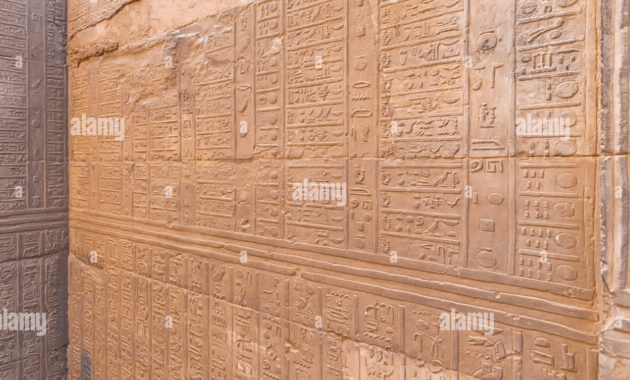
- Museum pieces, temple inscriptions, and surviving papyri reveal the sophistication of Egyptian chronological science.
- Modern Egyptology, astronomy, and the global calendar we use today owe a clear debt to the innovations of this ancient civilization.
- By prioritizing fixed cycles, astronomical markers, and practical administration, Egypt’s timekeeping system set a template for thousands of years of human civilization.
Conclusion: Timeless Influence on Modern Timekeeping
The ancient Egyptian calendar is more than an archaeological curiosity—it’s a living legacy embedded in our weeks, months, and years. From the structure of the 365-day year to the celebration of seasonal rituals, today’s most widely used calendars bear the imprint of Egyptian ingenuity. Understanding this system’s logic allows us to appreciate both the complexity of ancient society and the profound continuity linking us to humanity’s earliest timekeepers.