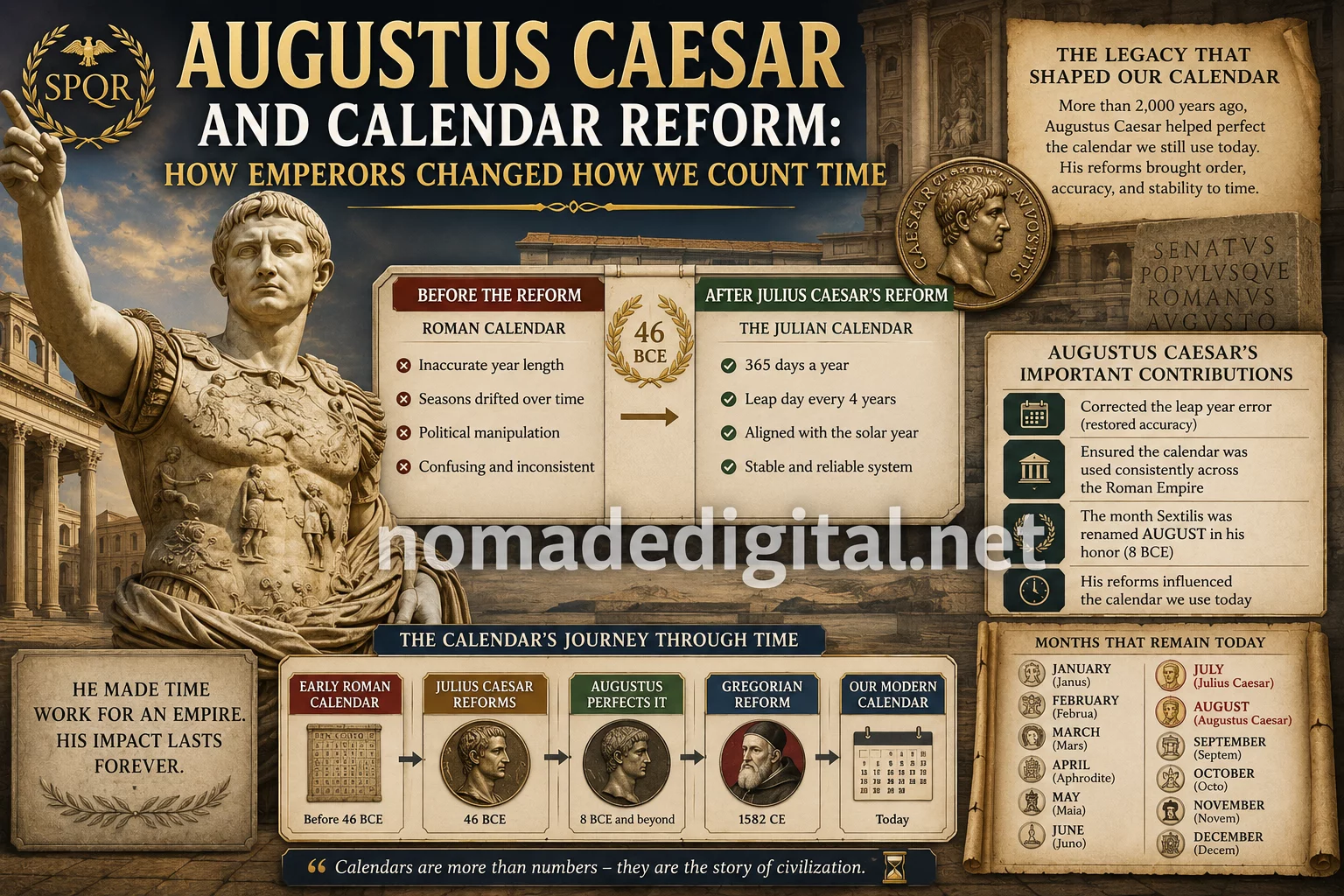
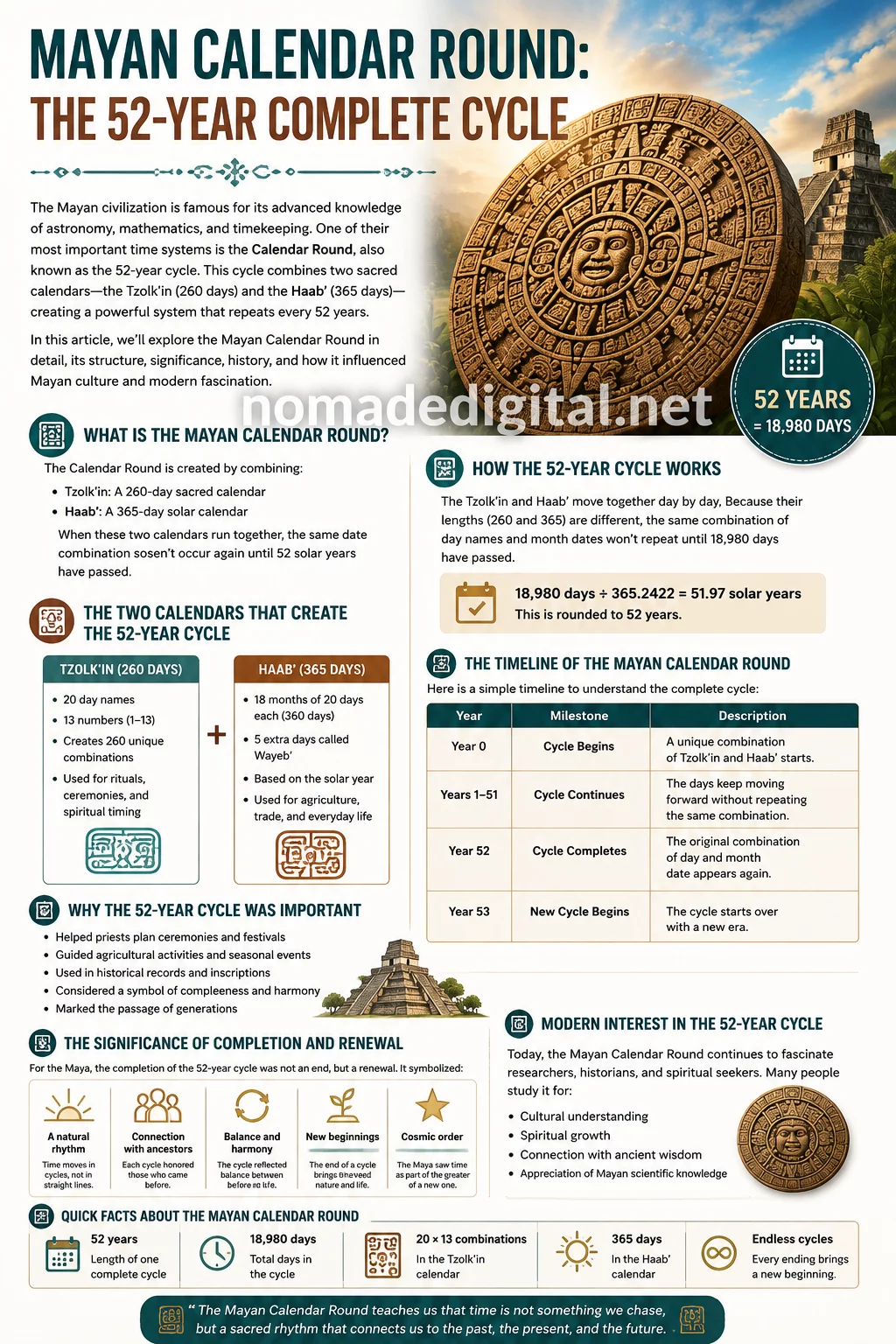
The Sumerian calendar is recognized as one of the earliest structured methods for tracking time in human history, dating back to ancient Mesopotamia around 3000 BCE. As the birthplace of many foundational aspects of civilization, the Sumerians developed a sophisticated calendar system that has had a lasting influence on how we measure time even today. This article explores how the Sumerian calendar worked, its remarkable innovations, and why elements of this ancient system persist in our modern calendars.
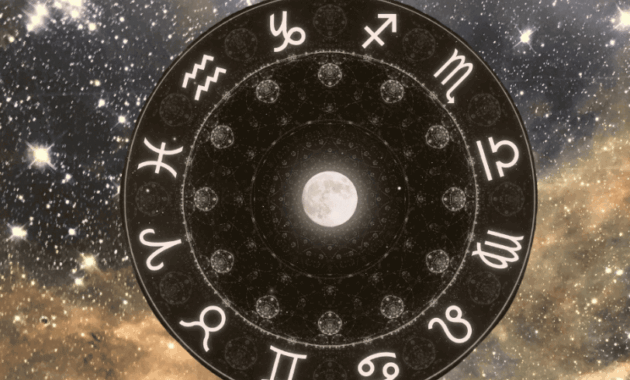
Origins and Purpose of the Sumerian Calendar
The Sumerian calendar emerged out of the practical needs of agriculture, administration, and religious observance within the fertile lands of Mesopotamia, between the Tigris and Euphrates rivers. Reliable timekeeping was essential for managing irrigation, planning crop cycles, and organizing civic life centered around temples and city-states.
- Complex Societies Needed Complex Calendars: As one of the world’s earliest urban societies, the Sumerians required a calendar to unify agricultural and social schedules.
- Religious and Civic Functions: Festivals, royal events, and legal contracts all depended on agreed time reckoning.
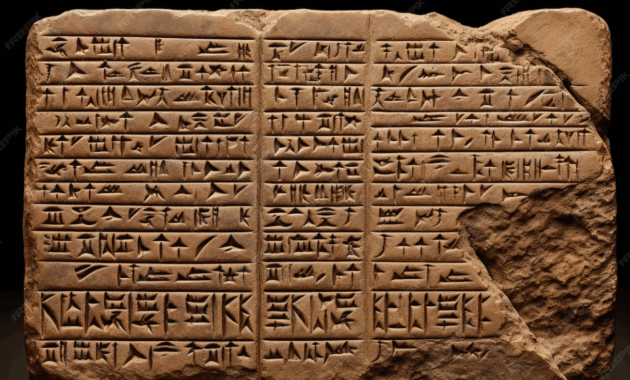
How the Sumerian Calendar Worked
Lunisolar Structure
The Sumerians’ calendar was lunisolar, combining aspects of lunar months with solar years. This means months were based on lunar cycles (new moons to new moons) but adjusted to keep the calendar aligned with the solar year and seasons.
- The calendar featured 12 lunar months of 29 or 30 days, alternating to roughly match the lunar cycle of about 29.5 days.
- Each month began with the sighting of the new moon;
- To reconcile the roughly 354-day lunar year with the longer solar year, they introduced intercalary months (extra months added occasionally) to align with seasonal cycles.
Month and Day Naming
Sumerian months had unique names primarily related to agricultural and religious activities, such as “month of barley-harvest” or “month of planting.” This naming system created a calendar deeply integrated with natural cycles and social life.
- Days were counted within each month (1st, 2nd, 3rd, etc.), creating a predictable structure for ceremonies and record-keeping.
- A 7-day week system may have roots in Sumerian religious cycles, influencing later calendar systems.
Innovations and Legacy of the Sumerian Calendar
- Intercalary Months: The practice of adjusting lunar calendars with extra months persists in many modern lunisolar calendars (e.g., Hebrew and Chinese).
- Dividing Months: The division of months into weeks and days was an early step toward our modern time segmentation.
- Fixed Agricultural Markers: Anchoring calendar months to agricultural activities inspired later seasonally anchored systems globally.
- Numerical Innovations: The base-60 (sexagesimal) numeral system used by Sumerians influenced measuring time—60 seconds, 60 minutes derive directly from this heritage.
Why Sumerian Timekeeping Still Matters Today
- Foundations of Modern Calendars: Western calendars ultimately descend from lunar and lunisolar systems pioneered by Mesopotamian civilizations including the Sumerians.
- Base-60 Influence: Our clocks’ divisions of hours and minutes into 60 parts originate from Sumerian mathematics.
- Calendar Adjustments: The principle of intercalation (adding days/months) to align lunar cycles with the solar year remains a core concept.
- Cultural Continuity: Names, festivals, and month groupings influenced successor societies like the Babylonians and Assyrians, leaving a lasting cultural imprint.
Challenges Faced and Adaptations
- Variable Sighting of the Moon: Lunar months depended on visible new moon, leading to local variability in calendar start.
- Complex Intercalation Rules: Adjusting lunar calendar to solar year needed consensus and astronomical observations, which evolved over the centuries.
- Calendrical Drift: Despite intercalation, long-term alignment was imperfect, spurring further innovations in timekeeping.
How the Sumerian Calendar Influenced Later Civilizations
- The Babylonians, inheriting Sumerian knowledge, further refined lunisolar calendars—their system influenced Hebrew, Greek, and Roman calendars.
- The division of day/night into 12 parts (hours) also traces back to Egyptians but with combined sexagesimal influence from Sumerians impacting modern timekeeping.
- Our modern grasp of calendar months, leap years, and time divisions echoes ancient Sumerian ingenuity.
Conclusion: From Ancient Sumer to Your Modern Clock
The Sumerian calendar is an enduring testament to humanity’s earliest attempts to master time. Emerging from practical needs to organize agriculture, religion, and governance, this sophisticated lunisolar system introduced innovations—intercalary months, base-60 numeric divisions, and lunar phase-based months—that echo through millennia. Recognizing how our modern calendars and clocks carry the legacy of this ancient culture offers deep appreciation for the ingenuity that shapes everyday life.