Timekeeping has always played a crucial role in shaping civilizations, and nowhere is this more evident than in East Asian Timekeeping Traditions. The Korean calendar, influenced by centuries of cultural exchange, reflects a unique blend of astronomy, philosophy, and daily life.
From ancient lunar systems to modern adaptations, understanding how Korea measured time provides valuable insight into broader East Asian traditions. In this article, we’ll explore the evolution of the Korean calendar and its connection to regional timekeeping practices.
The Origins of East Asian Timekeeping Traditions
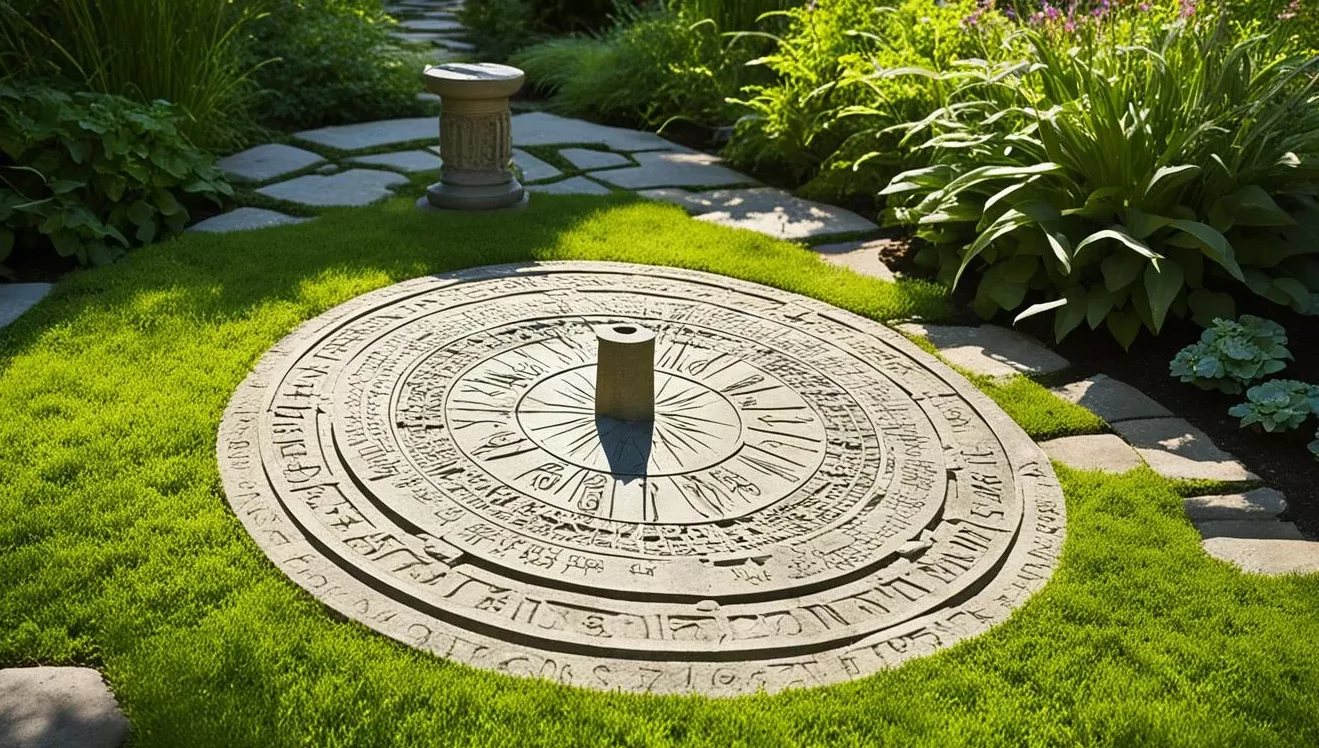
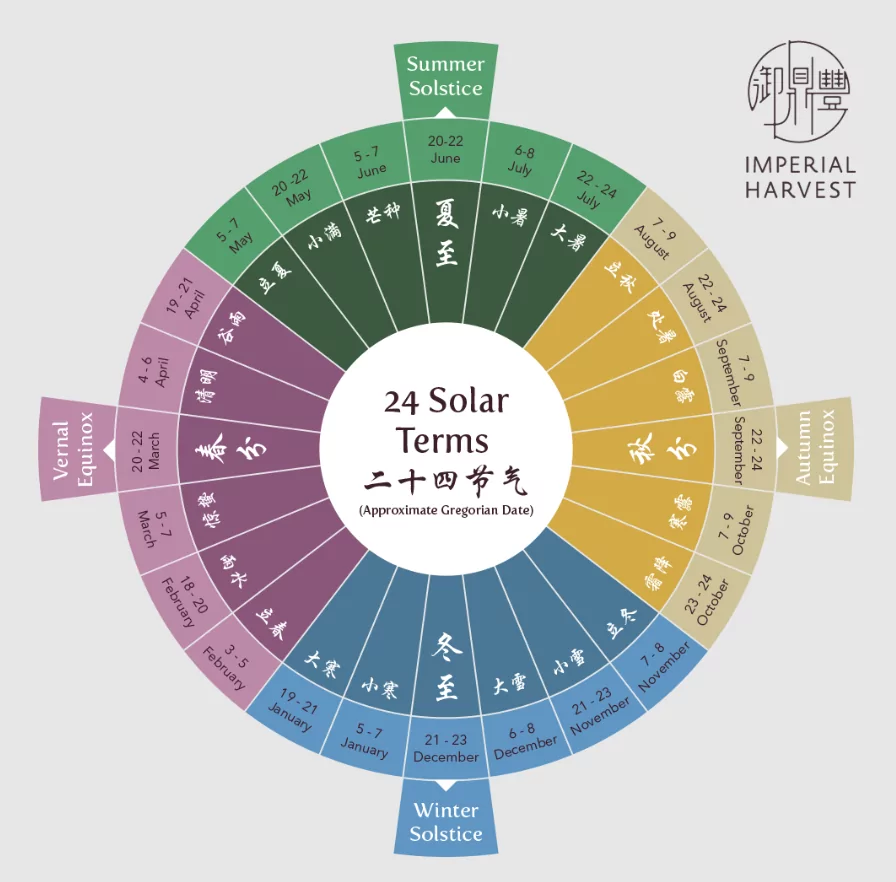
East Asian Timekeeping Traditions originated from early astronomical observations and agricultural needs. Ancient societies relied on the movement of the sun, moon, and stars to organize their lives.
- Lunar cycles determined months
- Solar positions guided seasons
- Agricultural activities depended on accurate timing
These systems laid the foundation for calendars used across China, Korea, and Japan.
The Early Korean Calendar System
The earliest Korean calendars were heavily influenced by Chinese systems, particularly during ancient dynasties. However, Korea gradually developed its own adaptations.
Traditional Korean calendars were primarily lunisolar, meaning they combined both lunar and solar elements. This approach ensured alignment with both moon phases and seasonal changes.
Key Features
- Months based on lunar cycles
- Leap months added to maintain seasonal accuracy
- Use of cyclical naming systems
These elements are central to East Asian Timekeeping Traditions.
The Role of Astronomy in Korean Calendars
Astronomy played a significant role in shaping timekeeping systems. Scholars carefully observed celestial movements to refine the calendar.
- Tracking solstices and equinoxes
- Observing lunar phases
- Predicting seasonal transitions
This scientific approach ensured that calendars remained accurate and reliable.
The Influence of Chinese Calendrical Systems
Korea adopted many elements from Chinese calendrical traditions, including the sexagenary cycle—a 60-year cycle combining heavenly stems and earthly branches.
This system influenced not only timekeeping but also cultural practices such as naming years and determining auspicious dates.
Despite these influences, Korea maintained its unique identity within East Asian Timekeeping Traditions.
The Joseon Dynasty and Calendar Reform
During the Joseon Dynasty, Korea made significant advancements in calendar development. Scholars worked to improve accuracy and adapt systems to local needs.
One notable achievement was the development of more precise astronomical instruments and calculations.
- Improved seasonal accuracy
- Enhanced agricultural planning
- Standardized timekeeping practices
This period marked a major step forward in Korean calendar history.
Traditional Korean Holidays and the Calendar
Many traditional Korean holidays are based on the lunar calendar, reflecting East Asian Timekeeping Traditions.
Seollal (Lunar New Year)
Celebrated on the first day of the lunar year, marking a time for family gatherings and ancestral rituals.
Chuseok (Harvest Festival)
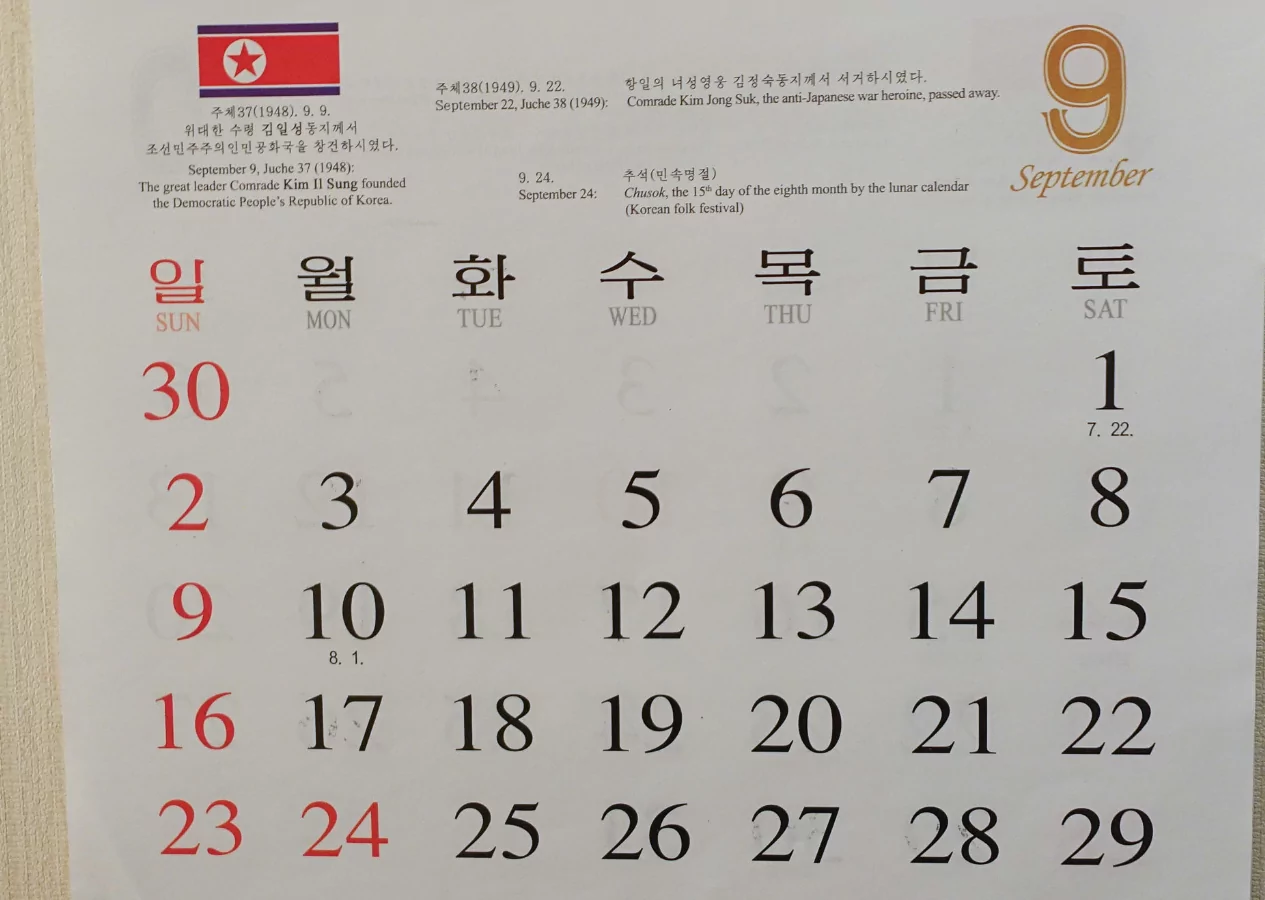
Held on the 15th day of the 8th lunar month, celebrating the harvest season.
These holidays demonstrate how calendars influence cultural traditions.
The Transition to the Gregorian Calendar
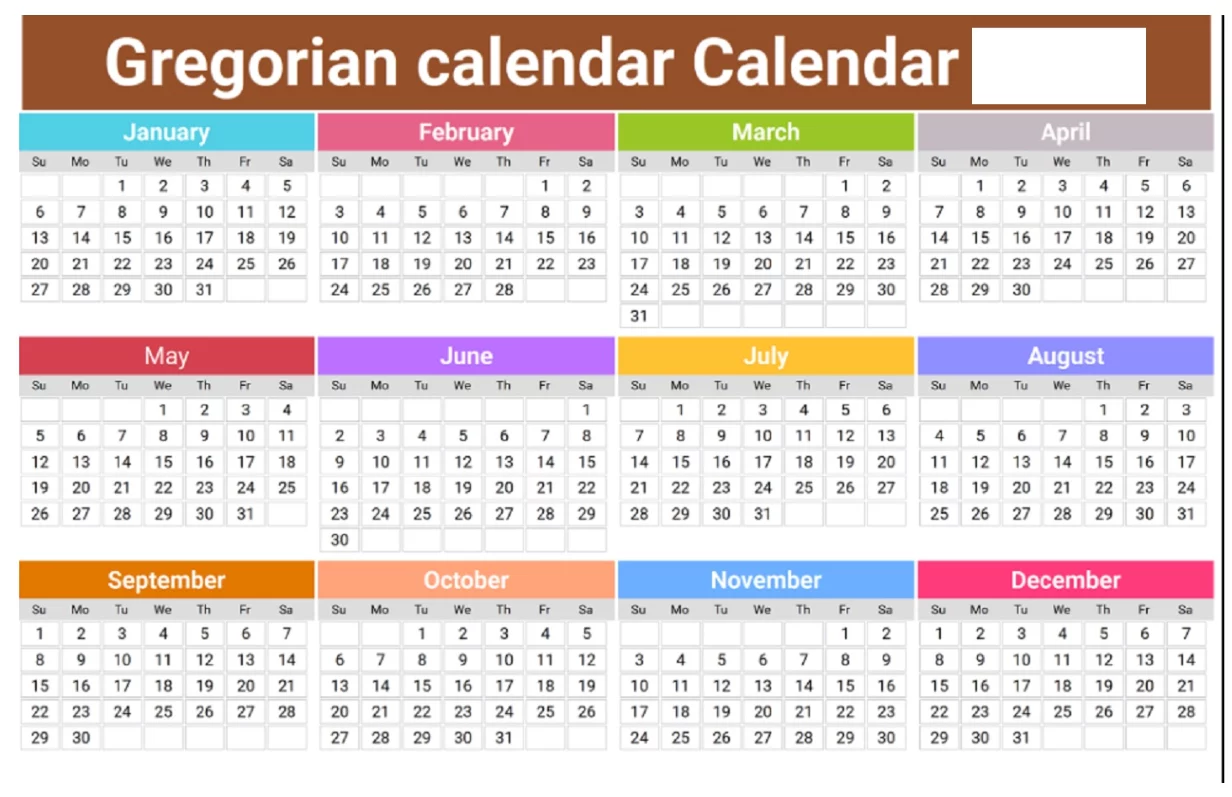
In the modern era, Korea adopted the Gregorian calendar for official use. However, traditional lunar calendars are still widely used for cultural and ceremonial purposes.
This dual system reflects the coexistence of modern and traditional practices within East Asian Timekeeping Traditions.
Comparing Korean, Chinese, and Japanese Calendars
While these countries share similar roots, each has unique characteristics.
- Korean calendars emphasize agricultural timing
- Chinese calendars focus on zodiac cycles
- Japanese calendars incorporate imperial eras
These differences highlight the diversity within shared traditions.
The Cultural Significance of Timekeeping
Timekeeping is more than just tracking days—it reflects cultural values and beliefs.
- Connection to nature and seasons
- Respect for ancestral traditions
- Integration of science and philosophy
East Asian Timekeeping Traditions embody these principles, making them deeply meaningful.
Modern Relevance of Traditional Calendars
Even in today’s digital age, traditional calendars remain relevant.
- Used for festivals and ceremonies
- Influence modern planning tools
- Preserve cultural heritage
Understanding these systems helps bridge the past and present.
Lessons from East Asian Timekeeping Traditions
There is much to learn from these historical systems.
- The importance of aligning with natural cycles
- The value of long-term planning
- The balance between tradition and innovation
These lessons are still applicable in modern life.
Final Thoughts
The evolution of the Korean calendar offers a fascinating glimpse into East Asian Timekeeping Traditions. From ancient lunar systems to modern adaptations, these practices reflect a deep understanding of time, nature, and culture.
By exploring these traditions, we gain not only historical knowledge but also a greater appreciation for the ways humans have organized their lives across centuries.