The Babylonian calendar system is one of the most remarkable contributions from ancient Mesopotamia to human civilization, demonstrating sophisticated astronomical understanding and a meticulous approach to timekeeping. Developed around 1000 BCE, this lunisolar calendar combined lunar cycles with solar year adjustments, enabling the Babylonians to organize agricultural activities, religious festivals, and civic life with high precision. In this article, we explore how the Babylonian calendar worked, its groundbreaking astronomical methods, and why it profoundly influenced later calendar systems.

Origins and Context of the Babylonian Calendar
Emerging from the Sumerian tradition and refined by the Amorites and later Babylonians, this calendar reflected Mesopotamia’s thriving urban culture centered around cities like Babylon. Their economy and religion demanded precise seasonal tracking, making advanced astronomy a critical tool.
- Mesopotamians’ practical needs: Flood cycles of the Tigris and Euphrates, planting seasons, and festival timing depended on calendric accuracy.
- Cultural significance: Astronomical phenomena were linked with omens and divine will, motivating detailed observation and record-keeping.
How the Babylonian Calendar Worked
Lunisolar Structure
The Babylonian calendar was a classic lunisolar system:
- Lunar months: Consisted of 29 or 30 days, starting with the first visible crescent of the new moon.
- 12 months per year: Total of 354 days, which fell short of the solar year, requiring adjustments.
- Intercalary months: Added periodically based on astronomical observations and empirical rules to realign the calendar with the solar year and seasons.
- Month names: Named after festivals, major agricultural activities, or gods, such as Nisannu, Ayyaru, and Tammuz.
The 19-Year Metonic Cycle
A phenomenal Babylonian innovation was their early grasp of a 19-year cycle correlating lunar months and solar years, anticipating what modern astronomy formally recognizes as the Metonic cycle. This enabled them to systematically schedule intercalary months and avoid calendar drift.
- Within each 19-year span, 7 extra months were inserted in a pattern to keep lunar months aligned with solar seasons.
- Though the Babylonians did not develop a full formula, their empirical observations informed this cycle’s application in practical calendaring and ritual planning.
Day Division and Timekeeping
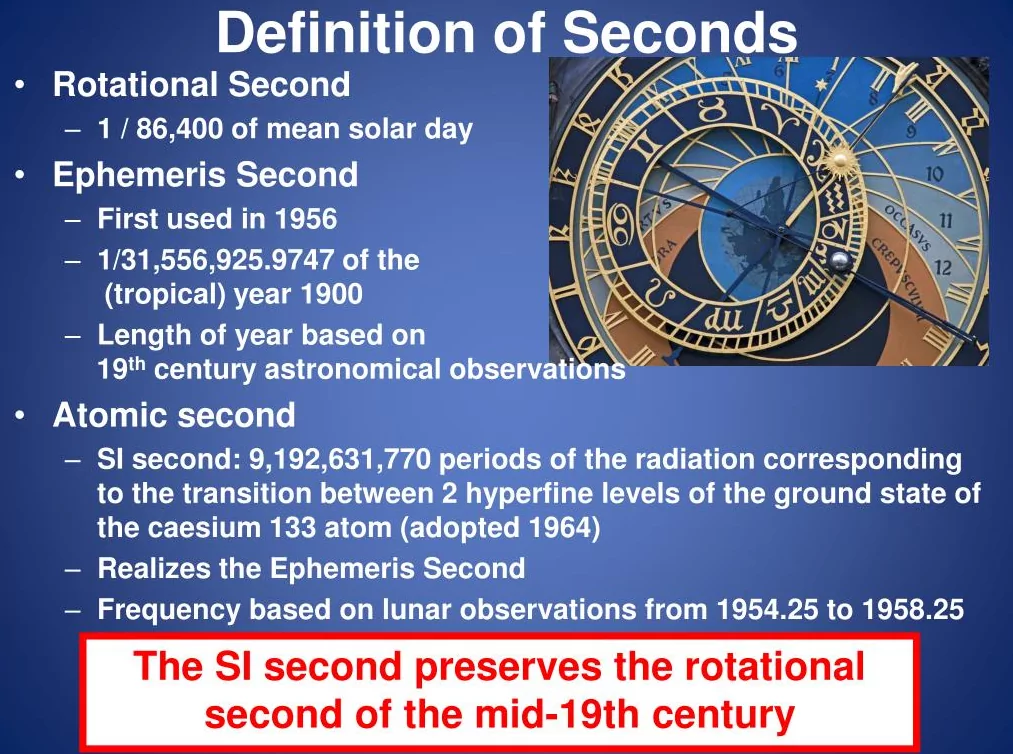
Babylonians introduced the sexagesimal (base-60) system, segmenting hours, minutes, and seconds from which the modern time system descends. Complex astronomical observations used this for precise tracking of celestial events critical to their calendar adjustments.
- Divided daytime and nighttime each into 12 hours, variable by season length.
- Used base-60 math to express angles, times, and cycles with high precision.
- Expert astronomers, often called “Chaldeans,” produced detailed star charts and lunar tables.
How Babylonian Astronomy Advanced the Calendar
- Systematic observations: By charting lunar phases, equinoxes, and planetary positions, Babylonians could predict eclipses and other key astronomical events influencing calendar corrections.
- Star catalogues: Extensive records of star positions helped identify seasonal markers.
- Lunar visibility calculations: The calendar’s start depended on actual moon sightings rather than theoretical cycles, requiring careful sky-watching with designated observers.
- Regular intercalations: Astronomers recommended adding a month roughly every three years to correct lunar-solar mismatch.
Babylonian Calendar’s Influence on Later Systems
- Hebrew Calendar: Directly descends from Babylonian lunisolar traditions; preserves month names and intercalation methods.
- Greek & Roman Calendars: Babylonian astronomical methods influenced Hellenistic scholars, who transmitted concepts to Rome, leading to the Julian calendar’s reforms.
- Modern Timekeeping: Division of hours and subdivisions into 60 parts remains foundational worldwide, rooted in Babylonian innovations.
- Islamic Calendar: While strictly lunar, its approach to months and moon sighting convention shows echoes of Babylonian lunar tracking ethics.
Why the Babylonian Calendar Was Revolutionary
- Accuracy through observation: Unlike purely computational calendars, Babylonian methods tied timekeeping to empirical, celestial observations fostering remarkable precision.
- Combination of lunar and solar: They managed complex reconciliations between two natural cycles essential for agriculture and ritual life.
- Foundation for time divisions: Their sexagesimal number system enabled unprecedented mathematical complexity in astronomy and calendar science.
Limitations and Challenges
- Monthly start depended on moon sightings, which could be obscured by weather—leading to possible regional calendar discrepancies.
- Intercalation was irregular in early phases, requiring consensus among astronomers and officials.
- The calendar drifted slowly, as approximations could only partly align lunar and solar cycles.
Conclusion: The Legacy of Babylonian Calendrical Genius
The Babylonian calendar system merges advanced astronomical observation with pragmatic religious and civic needs, making it a pioneering timekeeping system in human history. Their innovations—lunisolar balancing, the Metonic cycle awareness, sexagesimal time division, and precise lunar observations—set enduring standards. Modern calendars and the very way we measure hours today flow from the brilliance of ancient Babylonian astronomers, underlining how far-reaching and timeless their contributions are.