From the ancient structures of Stonehenge to the digital planners on our smartphones, calendars have shaped civilization for thousands of years. This article unravels the captivating story behind humanity’s quest to measure, organize, and understand time—a journey marked by astronomy, agriculture, religion, and the solving of practical problems that dictated the very rhythm of our lives.
Early Human Needs: Understanding Nature’s Cycles
Before written language, early humans depended on their environment for survival. The rising and setting of the sun, lunar phases, and seasonal changes all signaled crucial events: time to hunt, plant, migrate, or seek shelter. Observing these natural cycles was the first step toward timekeeping.
- Sunrise and sunset: Dictated daily life activities, from foraging to resting
- Lunar phases: Helped mark longer periods, useful for tracking animal behaviors and tides
- Seasons: Essential for agriculture, indicating planting and harvest times
Birth of Calendars: Aligning Community and Cosmos
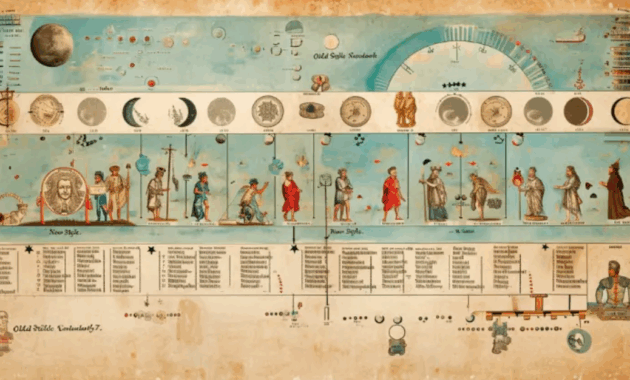
As settlements grew and societies became more complex, people needed ways to coordinate collective activities—unifying religious ceremonies, trade, governance, and social events. The invention of calendars provided a shared framework for communities to synchronize their efforts and rituals.
- Agriculture: Knowing when to sow or reap evolved from observing environmental clues to structured schedules
- Religious rituals: Festivals, sacrifices, and celebrations needed consistency and predictability
- Social organization: Scheduling markets, meetings, and communal projects required agreed-upon time markers
Astronomy and Mathematics: Building the First Calendars
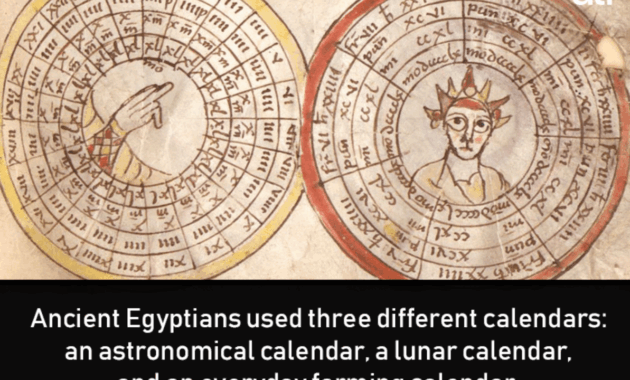
The earliest calendars emerged independently across ancient cultures—Sumerians, Egyptians, Mayans, Chinese, and others—each observing the skies to solve the mystery of regular periods. These systems relied on astronomy and math to define their cycles.
- Lunar calendars: Based on the cycle of the moon (about 29.5 days), guiding Islamic, Chinese, and Jewish timekeeping
- Solar calendars: Aligning with the Earth’s orbit around the sun (~365 days), seen in ancient Egyptian and Roman calendars
- Lunisolar calendars: Combining lunar months with solar years, like the Hebrew and traditional Chinese calendars
- Monuments: Structures such as Stonehenge, the Mayan pyramids, and Egyptian temples acted as observatories to track celestial events, aligning architecture precisely to solstices and equinoxes
The Agricultural Revolution: Calendars as Survival Tools
When societies shifted to farming, the calendar became a tool for life and death. Missing the right planting time could mean famine. Calendars allowed agricultural societies to plan ahead, anticipate seasonal changes, and even develop tax and labor systems based on agricultural cycles.
- Planned planting and harvesting improved food supply reliability
- Seasonal festivals established a rhythm of work and celebration
Religious and Cultural Impact
Religious and spiritual practices heavily influenced calendar development. Holy days, festivals, fasts, and rituals demanded reliable timekeeping to unify communities, reinforce beliefs, and shape cultural identity.
- Egyptians: Used the calendar to predict the annual flooding of the Nile—a key event for agricultural and religious observance
- Maya: Developed highly accurate calendars intertwined with gods, prophecy, and ritual
- Romans: Reformed calendar time to align civic life with religious festivals, resulting in the Julian and later Gregorian reforms
Power, Governance, and Social Control
As calendars became widespread, rulers and states used them to exert power. Regulating the calendar standardized communication, tax collection, military campaigns, and legal contracts.
- States synchronized distant regions under unified calendar systems
- Emperors and kings used calendar reforms to assert control or mark dynasties (e.g., Julius Caesar’s Julian calendar)
- Legal and economic transactions became possible on fixed “calendar dates,” increasing trust and consistency
Evolution to Precision: Challenges and Innovations
Early calendars were often inaccurate. Lunar years slowly drifted out of sync with solar seasons, causing confusion over holidays and farm cycles. Innovations—like leap years, intercalary months, and calendar reforms—were introduced to correct drift and improve synchronization with the natural world.
- Julian Calendar: Added leap years but still slightly misaligned with solar year
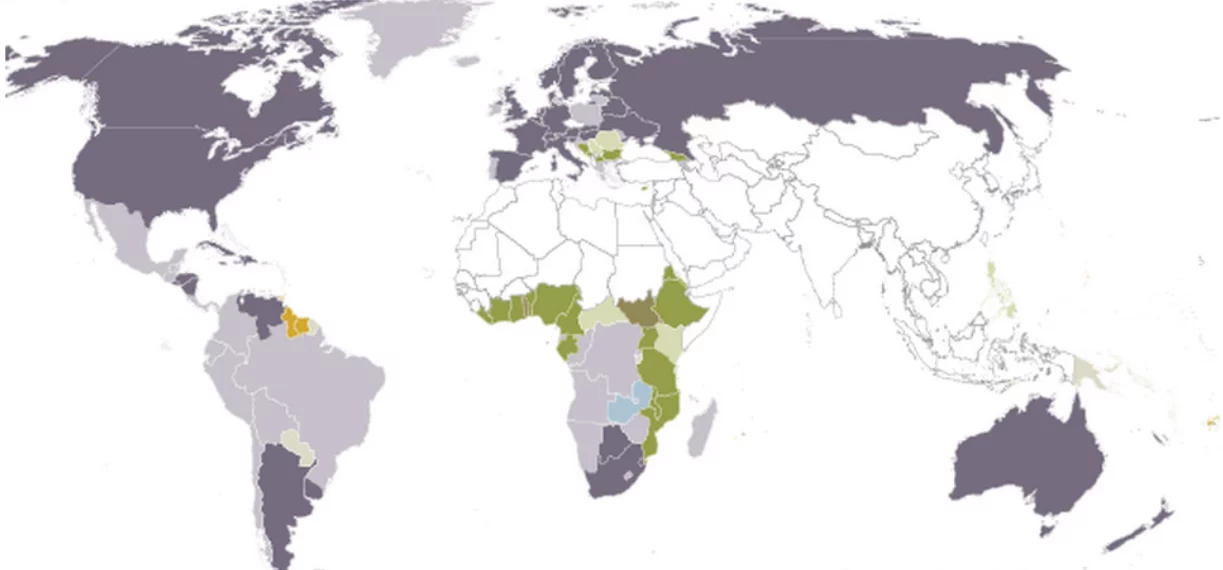
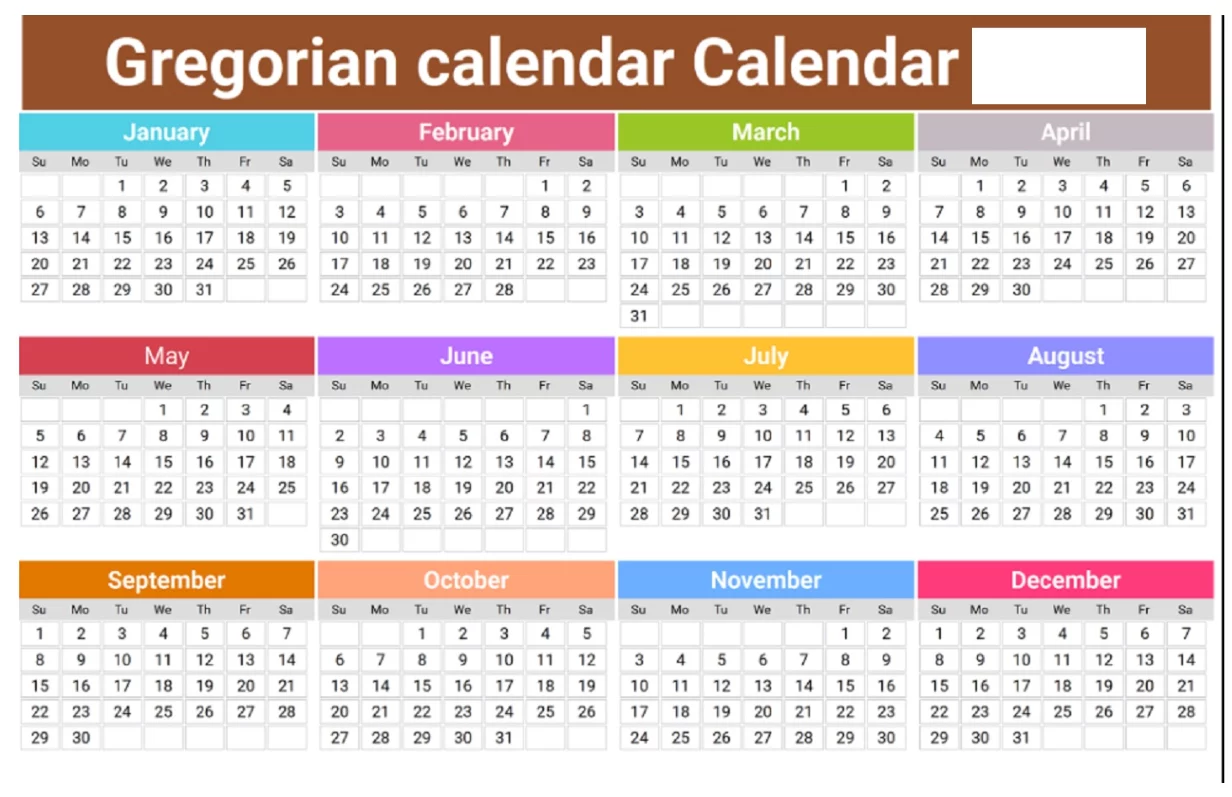
- Gregorian Calendar: Introduced in 1582, it refined leap year rules—now the global standard for civil life
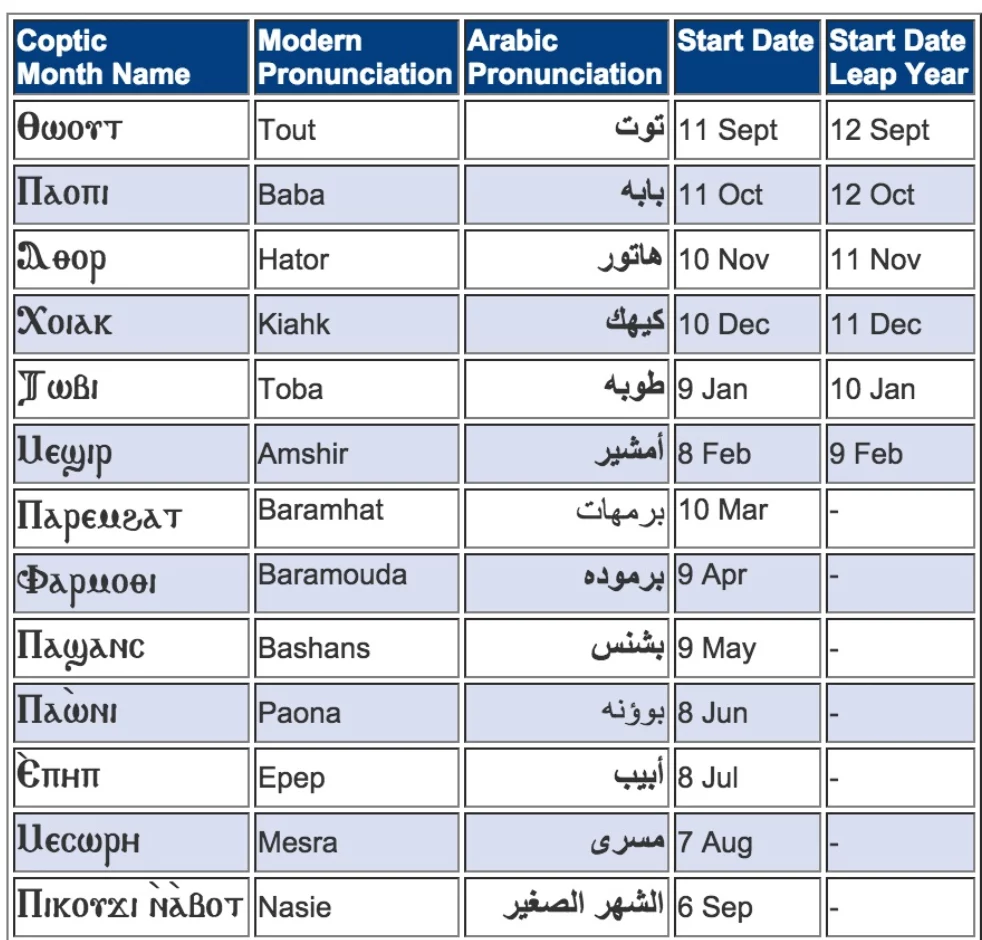
- Regional and cultural variations: Some societies retained unique lunar, solar, or mixed calendars alongside international standards
Technological Leap: From Paper to Digital
In the modern era, calendars shifted from astronomical monuments and handwritten tables to printed pages and, eventually, digital applications. Today, billions rely on mobile apps, cloud-based planners, and AI-driven scheduling tools that integrate not just dates, but tasks and reminders—making timekeeping a dynamic, interactive part of daily life.
- Syncing across devices and integrating with health, travel, and social platforms
- Algorithmic scheduling optimizes work-life balance and event planning
- Natural language input allows users to schedule with simple text or voice prompts
Why Calendars Remain Central to Human Existence
Calendars are more than tools—they embody our need for predictability, collaboration, and meaning. They link us to the cosmos, ground us in tradition, and chart the course from past to future. Whether planning a harvest or a holiday, humans invented calendars to empower survival, to unite cultures, and to shape a sense of time unique to our species.
Conclusion: The Ongoing Journey of Timekeeping
Inventing calendars was a transformative leap for humanity, arising from a blend of practical need, curiosity about nature, and the desire for communal order. Today, as technology offers ever more sophisticated ways to track and manage time, the story of calendars reminds us of our shared journey to understand and shape the rhythms of life—one day, one year, one era at a time.