November 2025 presents the perfect opportunity for a wellness reset using integrated habit and workout trackers embedded in digital calendars. As summer fades and winter approaches, many individuals recognize this transitional month as ideal for establishing new fitness routines and positive habits that carry through the year-end and beyond. This comprehensive guide explores how to leverage calendar-based tracking systems to transform wellness goals into consistent, measurable results.
Combining habit tracking with workout scheduling on a single platform eliminates app fragmentation, reduces friction in daily logging, and provides visual motivation through calendar visualization. In November 2025, advanced calendar applications offer seamless integration of habit monitoring, workout logging, and progress tracking, enabling users to curate personalized wellness resets aligned with their unique health objectives.
Understanding the Wellness Reset Movement
A wellness reset encompasses deliberate changes to physical activity, nutrition, sleep, stress management, and mental health practices. Unlike rigid diet plans or extreme fitness programs, wellness resets emphasize sustainable lifestyle modifications that compound over months. November’s position as a gateway month—between autumn activities and winter hibernation tendencies—creates natural momentum for establishing habits that persist.
The concept builds on behavioral psychology principles: small, consistent actions create significant transformations over time. Tracking these actions visually through calendars leverages the “progress principle,” where visible evidence of advancement motivates continued effort. Users who see completed habit streaks and workout logs report 40% higher adherence rates compared to those tracking informally.
Wellness resets differ from New Year’s resolutions in approach: rather than dramatic transformations starting January 1st, November resets allow four to six weeks of practice before the high-stress holiday season, increasing likelihood of sustained behaviors into January and beyond.
Why Calendar-Based Tracking Works for Wellness
Calendar apps provide powerful psychological triggers for habit formation: visual calendars with marked completion dates create “chain streaks,” making breaking consecutive days feel psychologically costly. This phenomenon, popularized by productivity experts, leverages loss aversion—the tendency to avoid losing progress more strongly than gaining equivalent rewards.
Integrated calendar tracking eliminates context-switching between apps: users viewing their calendar for appointments naturally see habit reminders and workout schedules, increasing likelihood of completion. Color-coding different habits or workouts creates visual organization, allowing quick assessment of habit variety and workout frequency at monthly glances.
Calendar-based approaches also accommodate irregular patterns common in real life: missed workouts can be rescheduled within calendar interfaces, and habit streaks can reflect realistic weekly targets (e.g., “3 workouts weekly” rather than forcing daily consistency). This flexibility increases long-term adherence compared to rigid daily tracking models.
Setting Up Your November 2025 Wellness Calendar
Begin by selecting a calendar app supporting habit and workout tracking features. Google Calendar, Apple Calendar with third-party apps, or dedicated fitness calendar platforms like Strava or MyFitnessPal offer different approaches. For integrated solutions, consider apps like HabitNow, HelloHabit, or Notion Calendar that combine habit tracking with calendar visualization.
Create separate calendars for different wellness categories: one for workouts, one for daily habits like meditation or hydration, one for recovery practices like sleep goals or stretching. Assign each calendar a distinct color: red for workouts, blue for nutrition-related habits, green for mental wellness, purple for recovery. This color-coding provides instant visual differentiation when viewing calendars.
Configure notification settings: set reminders 30 minutes before scheduled workouts and mornings for daily habits. Enable recurring reminders on calendar invitations, ensuring consistency without manual daily actions. Set weekly review reminders for Sundays, encouraging reflection on weekly progress.
Establishing Your Baseline
Document current habits and fitness levels before beginning November tracking. Note current workout frequency, sleep patterns, stress levels, and health metrics. This baseline enables comparison at November’s end, providing objective evidence of progress beyond subjective perception. Take progress photos or note current performance metrics like push-up count or running times.
Core Habits for November 2025 Wellness Reset
Select 3-5 habits to track initially; more creates overwhelm and abandonment. Recommended core habits include: movement/exercise (3+ times weekly), sleep (consistent bedtime and wake times), water intake (8+ glasses daily), meditation or stress management (10+ minutes daily), and nutrition tracking or meal planning. These habits address physical, mental, and emotional wellness holistically.
Implement the “two-minute rule” popularized by habit experts: establish initial habit targets requiring two minutes or less to complete, enabling high completion rates even on difficult days. For example, instead of “exercise 60 minutes,” start with “10-minute walk.” Once consistency develops, gradually increase duration or intensity.
Use your November calendar to test habit stacking: pairing new habits with existing routines. Schedule workouts immediately after work commutes, meditation during morning coffee, and hydration checks before meals. This integration into existing patterns increases adoption rates compared to disconnected new behaviors.
| Habit | Daily Target | Weekly Goal | Calendar Color |
|---|---|---|---|
| Workout | 30 minutes | 3-5 sessions | Red |
| Water Intake | 8 glasses | Daily | Blue |
| Meditation | 10 minutes | Daily or 5/week | Purple |
| Sleep Target | 8 hours | 6-7 nights/week | Indigo |
| Nutrition Plan | Meal prep | 1-2 sessions/week | Green |
Designing Your Workout Schedule for November
November weather varies regionally: cool temperatures in northern hemispheres favor outdoor activities, while southern hemispheres enjoy spring activities. Structure workouts around climate advantages: outdoor running or hiking in cooler regions, water activities in warming zones. Incorporate variety to prevent boredom and address different fitness components: cardio, strength, flexibility, and balance.
Schedule specific workouts on calendar: Monday and Thursday for strength training, Tuesday and Friday for cardio, Wednesday for flexibility/yoga, Saturday for outdoor activity, Sunday for active recovery. This structure prevents decision fatigue while allowing rest days. Use color-coding within workout categories: different shades for cardio, strength, flexibility sessions.
Create “workout blocks” in your calendar: 30-45 minute time slots where workouts are non-negotiable commitments. Just as important meetings cannot be rescheduled, workout blocks should be protected, teaching your brain that fitness warrants time prioritization equivalent to professional obligations.
Progressive Training for November
Implement progressive overload: gradually increasing workout intensity, duration, or volume throughout November. Week 1-2: establish baseline and routine consistency. Week 3-4: increase duration or intensity by 10%. Weeks 5+: introduce new exercises or increase frequency. This progression prevents plateaus while allowing adaptation periods for injury prevention.
Tracking Habit Completion and Workout Performance
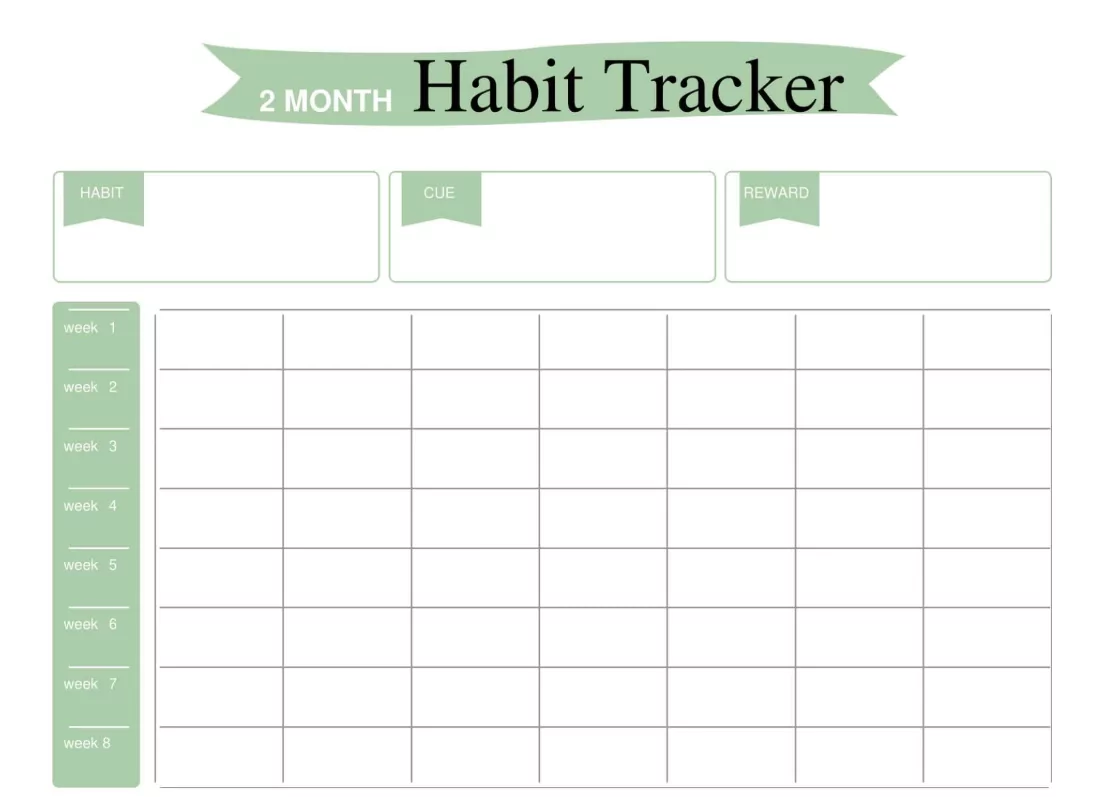
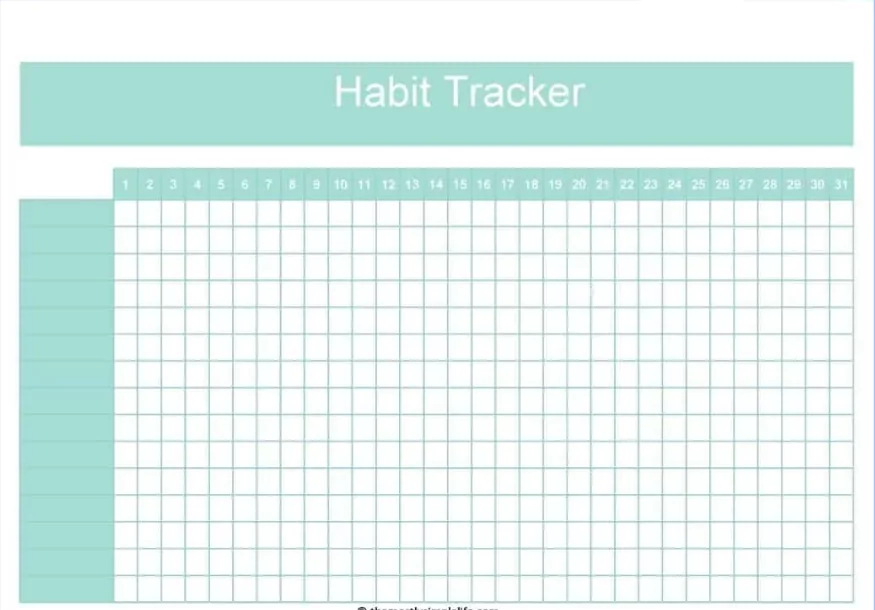
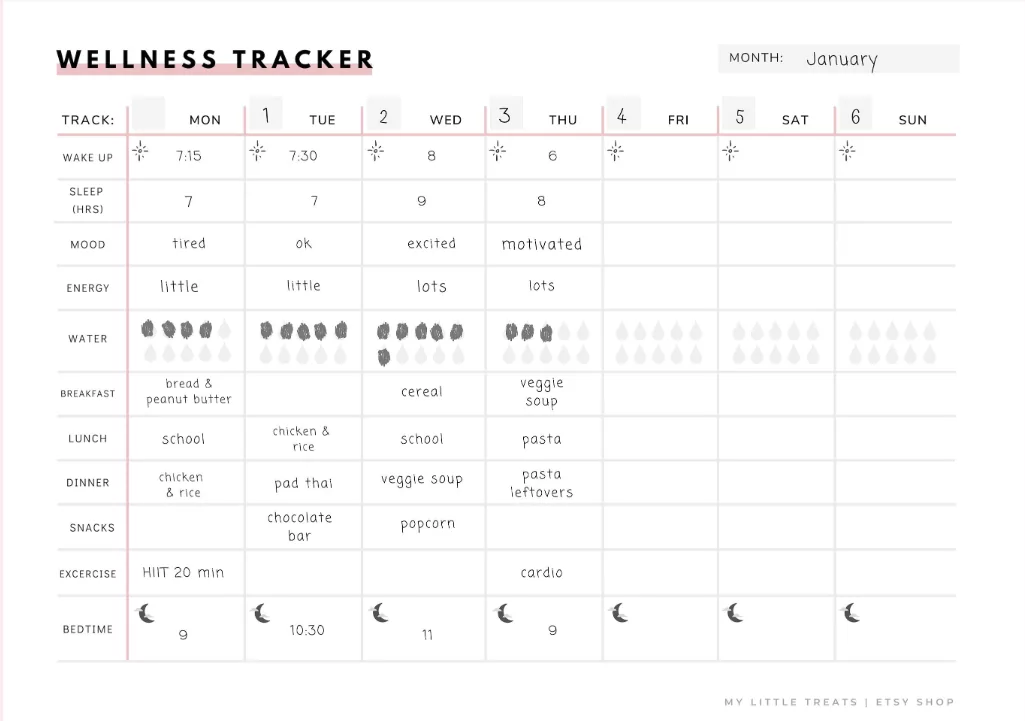
Log habit completion daily using your calendar app: mark dates with check marks, color fills, or specific icons indicating habit completion. Most calendar-based habit tracking apps support quick-tap logging, requiring minimal friction. For workouts, log not just completion but also details: distance, duration, difficulty rating, energy level, how you felt.
Capture qualitative data beyond binary completion: rate each workout 1-10 for difficulty, intensity, and enjoyment. Include notes about performance variations—”strong bench press today” or “felt fatigued mid-run.” These details inform future adjustments and provide motivation reminders when reviewing progress.
Use streaks to build momentum: seeing consecutive days of habit completion creates psychological motivation to maintain chains. Most apps highlight active streaks prominently, leveraging the pain of breaking streaks to ensure consistency. However, build flexibility: occasional days off don’t constitute failure; simply resume tracking the next day without guilt-driven overcompensation.
Leveraging Calendar Views for Weekly and Monthly Analysis
Review your calendar weekly, typically Sunday evenings: examine the past week’s habit completion percentage, identify patterns in missed habits or workouts, and plan adjustments. Notice if specific days show lower completion rates—perhaps Tuesday evenings present consistent barriers requiring schedule modifications. Identify high-performing days or times to understand your optimal scheduling.
Monthly reviews on November 30th provide comprehensive assessment: compare habit completion percentages across the month, noting improvement trends. Analyze workout frequency against targets, identifying if goals were realistic or need adjustment. Photograph your month-view calendar for comparison with future months.
Create summary metrics: “I completed 85% of daily water intake habits,” “I completed 12 of 16 planned workouts,” “Average workout rating: 7.2/10.” These quantified assessments provide objective evidence of progress, building confidence for continued effort into December and beyond.
Integrating Nutrition Tracking with Your Calendar
Schedule meal planning sessions weekly, typically Sunday afternoons, creating calendar events for “Meal Prep.” This protected time ensures nutritional planning supports fitness goals. Use calendar events for grocery shopping, meal prep cooking, and planned dining occasions, treating nutrition with equivalent calendar prominence as workouts.
Log challenging nutrition moments: if struggling with late-night snacking or lunch-hour indulgences, add specific calendar events for these times. “3pm snack prep” or “lunch from home” becomes a scheduled commitment, reducing decisions in moments of low willpower. Pairing nutrition habits with existing routines increases adherence: coffee with vitamins, workouts with post-exercise protein.
Create shared calendar events for social eating: dinners with friends, family gatherings, or restaurant visits. Planning these social eating occasions prevents last-minute decisions and enables balanced social engagement without derailing nutrition goals.
Monitoring Recovery and Sleep Patterns
Schedule consistent sleep and wake times on your calendar, treating sleep like gym appointments. Log actual sleep times daily, noting variations from targets. Many calendar apps integrate with health apps, automatically capturing sleep data for calendar visualization. Color-code successful sleep nights versus disrupted nights, identifying patterns in sleep disruption causes.
Block “recovery days” on your calendar: planned rest days or light activity days essential for preventing burnout and overtraining. These non-negotiable recovery periods paradoxically accelerate fitness progress by allowing physiological adaptation. Mark these distinctly so they’re visible and honored like any other calendar commitment.
Schedule stress management activities: yoga sessions, meditation times, nature walks, or journaling slots. Treat mental recovery with equivalent calendar importance as physical recovery, recognizing that stress management directly impacts fitness performance and habit adherence.
Overcoming Common November Challenges
November obstacles include holiday preparations reducing availability, seasonal affective disorder affecting motivation, and holiday events disrupting routines. Anticipate these challenges by building flexibility into your November calendar: reduce initial expectations if expecting busy periods, schedule backup home workouts for weather disruption days, and plan strategies for navigating holiday gatherings while maintaining wellness goals.
Address motivation dips with visual reminders: set calendar notifications displaying your initial wellness goals, progress photos, or motivational quotes. Pair workout reminders with inspiring music playlists. Join accountability communities: share your November calendar with friends or online communities, creating social motivation to maintain completion streaks.
Manage perfectionism: missing workouts or habit completions is normal; consistency matters more than perfection. Use your calendar’s flexibility to reschedule missed workouts rather than abandoning efforts. Build grace periods into habit tracking, allowing occasional misses without derailing the month’s progress.
Technology Tools for November Calendar Wellness Tracking
Google Calendar: Utilizes “Goals” feature adding fitness events; free, integrates with Gmail and Google services. Ideal for those already using Google Workspace. Limited habit-specific features require supplementary apps.
Apple Calendar: Pre-installed on Apple devices, syncs across iPhone/Mac/iPad. Native health data integration through Health app provides automatic activity logging. Best for Apple ecosystem users but limited habit-specific tracking.
Dedicated Apps: HelloHabit, HabitNow, and Streaks combine habit tracking with calendar visualization, offering features like streak counting, detailed analytics, and notification systems specifically designed for habit formation.
Fitness-Specific: Strava for running/cycling, MyFitnessPal for nutrition, Strong for strength training—these specialized apps excel in specific domains but often require manual calendar integration or third-party syncing tools like Zapier.
November 2025 wellness resets leveraging integrated habit and workout calendar tracking transform aspirational health goals into concrete daily behaviors. By combining psychological principles of visual progress tracking, habit stacking, and streak motivation with practical calendar systems, individuals create sustainable wellness foundations extending far beyond November. The key to success lies in starting small with 3-5 core habits, maintaining consistency through calendar visibility, and treating wellness commitments with calendar protection equivalent to important professional obligations. As November concludes, your habit-tracked calendar becomes evidence of transformation, motivation for continued effort, and blueprint for 2026 wellness success.