Have you ever looked at a Japanese date and felt completely lost? One minute it’s 2026, and the next, someone is telling you it’s “Reiwa 8.” Don’t worry, you aren’t alone! The way Japan tracks time is a wild, fascinating mix of ancient traditions and hyper-modern efficiency. This blend is what makes Japanese calendar history so unique—it’s a perfect reflection of a culture that deeply respects its past while constantly hurtling toward the future.
If you’re planning to travel, work, or live in Japan as a digital nomad, getting a grip on how their calendar works is pretty essential. It’s not just about knowing what day it is; it’s about understanding a system that smoothly mashes up Western standards with emperors, lucky days, and even the phases of the moon.
The Old School Way: Life by the Lunar Calendar
Long before Japan opened up to the Western world, they ran on a lunisolar calendar, often called the kyureki (the old calendar). Originally borrowed from China way back in the 6th century, this system tracked time by watching the moon and the sun. Because a lunar year is shorter than a solar one, they had to throw in an extra “leap month” every now and then just to keep winter from sliding into summer.
Back then, the calendar was everything. It told farmers when to plant rice and dictated when massive festivals (matsuri) should happen. The cool part? Even though Japan has gone modern, the old lunar calendar still quietly runs in the background. If you ever wonder why some local festivals seem to shift dates every year on your Google Calendar, it’s because they are still following the moon.
The Meiji Shake-Up: Going Gregorian
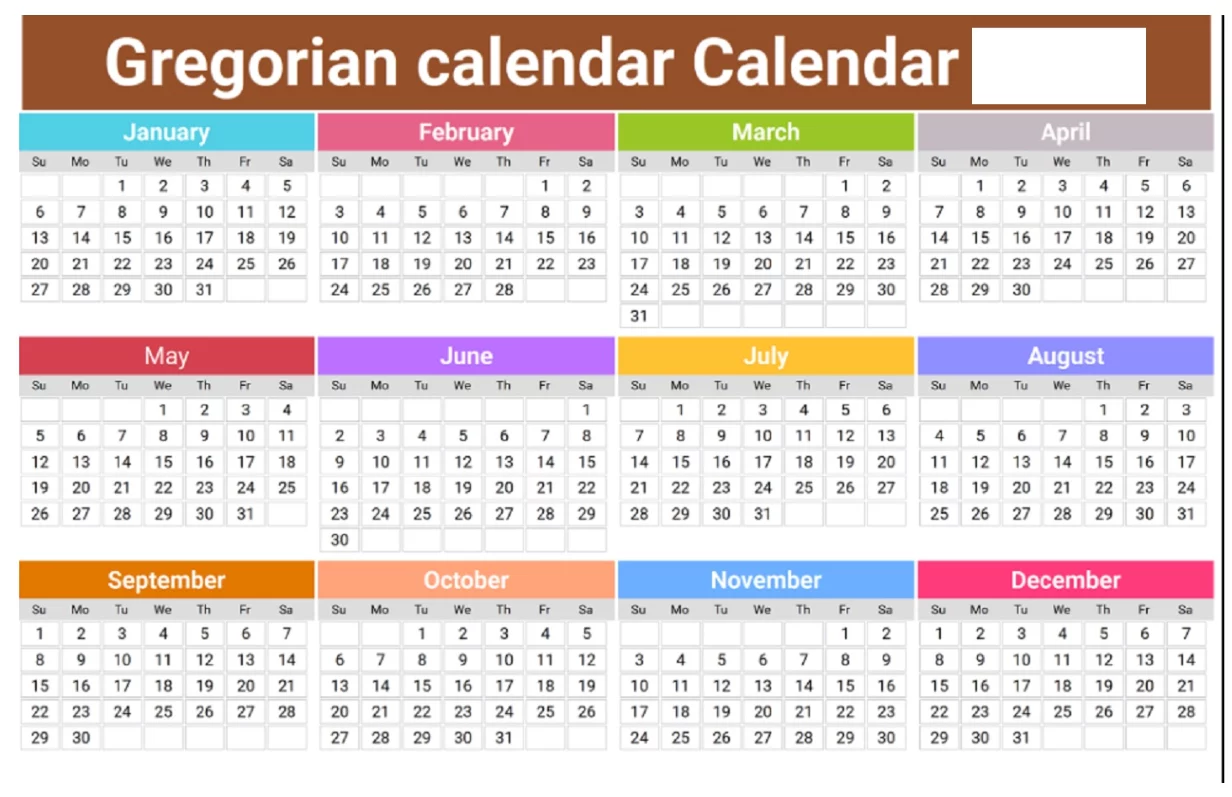
The biggest plot twist in Japanese calendar history happened during the Meiji period (1868–1912). Japan decided it was time to modernize, trade with the West, and get on the same schedule as everyone else. So, in 1873, the government basically ripped off the band-aid and adopted the Gregorian calendar.
Imagine going to bed on the 3rd day of the 12th month, and waking up on January 1st. That actually happened! As you can guess, it was a total mess at first. Farmers were confused, holidays were messed up, and people weren’t thrilled. But eventually, the dust settled. Today, the shinreki (new calendar) is what runs the trains on time, schedules business meetings, and keeps everyday life moving.
The Emperor’s Clock: The Gengo System
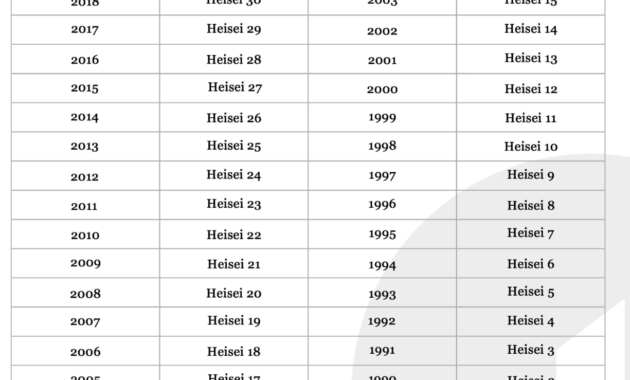
Here’s where things get really interesting. While Japan accepted Western months and days, they flat-out refused to give up their traditional way of counting years. They kept the Japanese era name system, known as Gengo. Instead of just counting up from year zero, the year resets every time a new Emperor takes the throne.
For example, the Heisei era kicked off in 1989. Then, in 2019, Emperor Naruhito took over, and boom—we entered the Reiwa era. So, while your laptop says it’s 2026, official Japanese paperwork, bank forms, and even some train tickets will proudly declare it’s Reiwa 8. It’s a dual system that locals navigate without batting an eye.
Rokuyo: The Six-Day Superstition
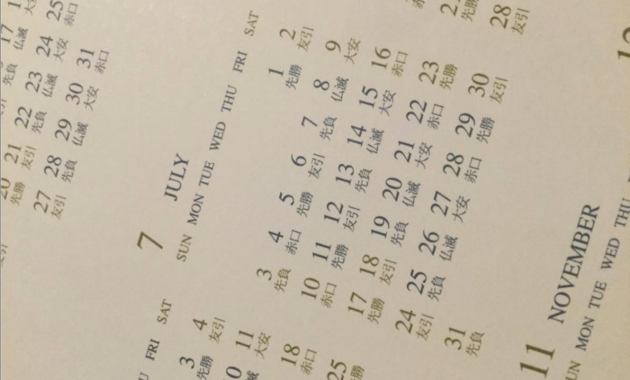
If you think managing two years is tough, wait until you hear about Rokuyo. This is a quirky six-day cycle that runs alongside the regular week, assigning a specific “luck level” to every single day. It ranges from Taian (the absolute luckiest day) to Butsumetsu (a day of terrible luck).
You might think a high-tech society would ignore this, but the Rokuyo calendar is still surprisingly relevant. Try booking a wedding venue on a Taian day, and you’ll pay top dollar. Try getting married on a Butsumetsu day, and your Japanese friends might gently suggest you reconsider. You’ll spot these lucky (and unlucky) markers printed in red on almost every wall calendar and planner sold in the country.
The Ultimate Mashup
At the end of the day, the Japanese calendar isn’t just a way to track time; it’s a masterclass in cultural blending. They use the Gregorian calendar to do business with the world, the Gengo eras to honor their history, and the Rokuyo to keep the good vibes flowing.
It’s just one more reason why living or traveling in Japan is such a trip. The past and the present aren’t fighting for space on the calendar—they’re sharing it perfectly.