Africa’s traditional calendars predate many global systems, blending lunar cycles, market rhythms, and stellar observations into sophisticated timekeeping frameworks. From ancient Egypt’s 365-day solar year to the Igbo’s 13-month cosmic harmony, these overlooked innovations structured societies, agriculture, and spirituality across the continent. Discover the rich, diverse history that challenges Eurocentric narratives of time.
Ancient Egypt: World’s Oldest Solar Calendar
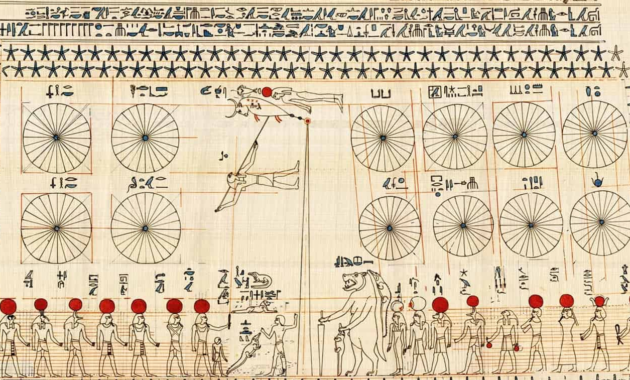
Formalized around 4241 BCE, Egypt’s calendar featured 12 months of 30 days plus 5 epagomenal days honoring gods—totaling 365 days aligned to Nile floods via Sirius heliacal rising. Priests used merkhets (plumb lines) and water clocks for nighttime divisions into 12 hours, powering pyramid construction and festivals like Opet.
Obelisks cast shadows for solar hours; decans (star groups) marked night hours, influencing Greek and Roman systems. This luni-solar precision sustained pharaonic civilization for millennia, proving Africa’s pioneering role in calendrical science.
West Africa: Market Weeks and Lunar Harmony
Igbo 4-Day Week and 13-Month Year
The Igbo calendar (Ọgụ́àfọ̀) structures life around a 4-day week (Eke, Orie, Afo, Nkwo) tied to markets and spirits—7 weeks per lunar month, 13 months yearly (364 days + extra). Dibia priests consult shrines for decisions, syncing rituals with cosmic energies. New Yam Festival (Iri Ji) follows harvest moons, fostering community bonds.
Yoruba Lunar-Solar System
Yoruba’s 4-day week (Ojo Aki, Ojo Isegun, etc.) links to Orishas: Ogun rules iron-forging Tuesdays. Lunar months govern Odun festivals like Osun Osogbo; diviners (Babalawo) via Ifa align events to moon phases. This spiritual-economic rhythm drove trade networks pre-colonialism.
Akan 6-Day Cycle and 40-Day Periods
Akan nnanson (6-day week) combines with 7-day Gregorian into 42-day adaduanan. Days like Kwasida host Akwasidae festivals honoring ancestors; gold weights timed markets. Oral griots preserve alignments to stars like Dilys (Pleiades) for planting.
Dogon Stellar Knowledge: Sirius Mystery Calendar
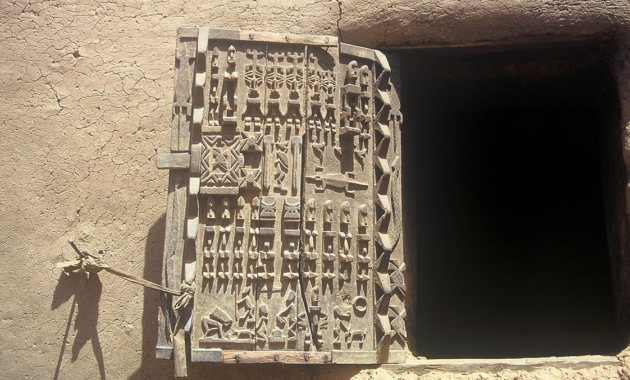
Mali’s Dogon track Sirius B (invisible white dwarf) in 60-year cycles, using 10-day weeks (Sigui) for Sigui ceremonies every 60 years. Nommo myths encode Po Tolo (Sirius) risings for millet sowing; sand drawings map constellations. This astronomical depth rivals Mayan precision, guiding rituals and ecology.
East Africa: Ethiopian Ge’ez Endurance
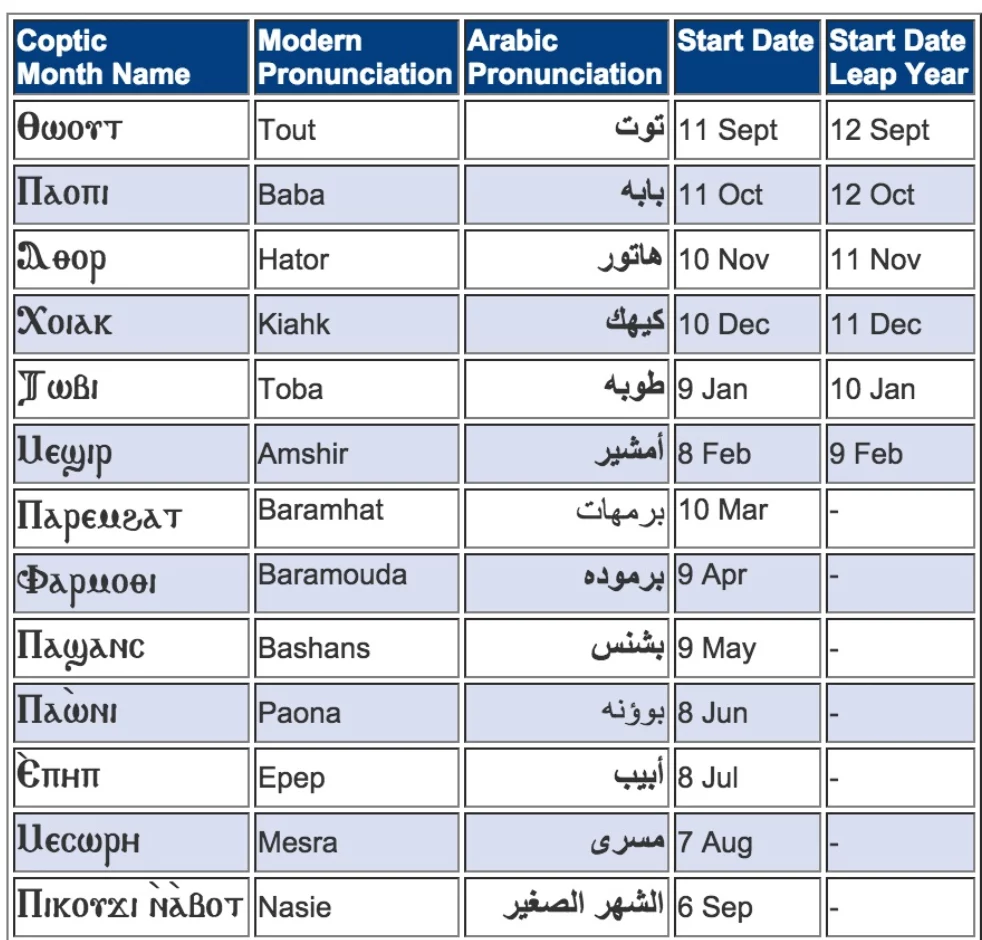
Ethiopia’s 13-month solar calendar (12×30 + Pagumē 5/6 days) lags Gregorian by 7-8 years, rooted in Coptic traditions. Timkat (Epiphany) follows Nile cycles; Enkutatash New Year blooms with meskerem flowers post-rains. Still official, it governs Orthodox feasts and farming, resisting colonization.
Central and Southern Innovations
Kongo Dikenga Cosmogram
Bakongo’s 4-phase Dikenga wheel cycles day/night, life/death via Kala (time-space). Cross-shaped calendars mark initiations; moon governs nkisi rituals. This philosophical system unifies ancestors, nature in daily observances.
Swahili and Chagga Market Tools
Coastal Swahili used 7-day Islamic blends with lunar hijri for trade; Chagga’s 10-day week via knotted strings (possibly pre-Arab) timed Kilimanjaro harvests. Tiv’s 5-day cycle structured Benue Valley markets.
Agricultural and Ritual Synchronization
Calendars attuned farming: Yoruba new moons for yams, Dogon Sirius for grains, Egyptian Sirius for inundations. 4-10 day weeks rotated markets, preventing overuse while festivals like Igbo Iwa Ji honored harvests. Eclipses, Pleiades signaled migrations, plantings across Sahel to savanna.
Rituals embodied time—Igbo Afa divinations, Yoruba Egungun masks at lunar peaks—making calendars living communal pulses.
Tools and Observations: Sundials to Star Lore
Egyptian clepsydras dripped hours; Sahelian gnomons shadowed days. Dogon sigui pillars align solstices; Akan adinkra encode cycles. Oral epics by griots dated via landmarks, preserving history sans paper.
Colonial Disruption and Modern Revival
Gregorian imposition marginalized indigenous systems—Igbo markets shifted, Ethiopian dual-use persists. Today, apps revive Yoruba moons; UNESCO protects Dogon sites. Pan-African scholars reclaim these as decolonial science.
Why African Calendars Matter Today
- Diversity: 4-10 day weeks challenge 7-day norms.
- Holism: Blend spiritual, economic, ecological time.
- Precision: Sirius knowledge predates telescopes.
- Resilience: Ethiopia’s system thrives post-empire.
Africa’s traditional calendars reveal genius often erased—cyclical, cosmic frameworks sustaining civilizations through observation and community.