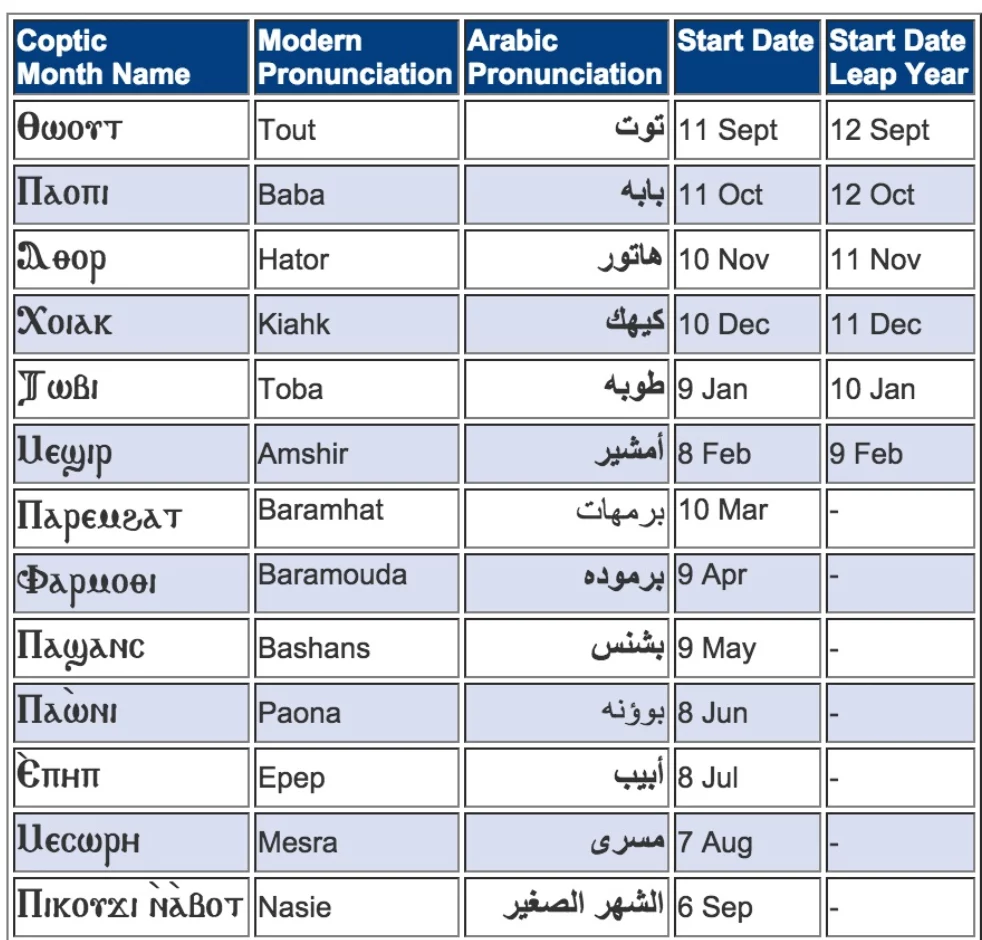
The Aztec Sun Stone, often referred to as the Aztec Calendar Stone, is one of the most iconic artifacts of ancient Mesoamerica. Far more than a decorative sculpture, it represents a complex system of timekeeping, cosmology, and astronomical knowledge developed by the Aztec civilization.
This article explains the structure of the Aztec Sun Stone, how it functioned as a calendar system, and why it holds deep astronomical and cultural significance.
What Is the Aztec Sun Stone?
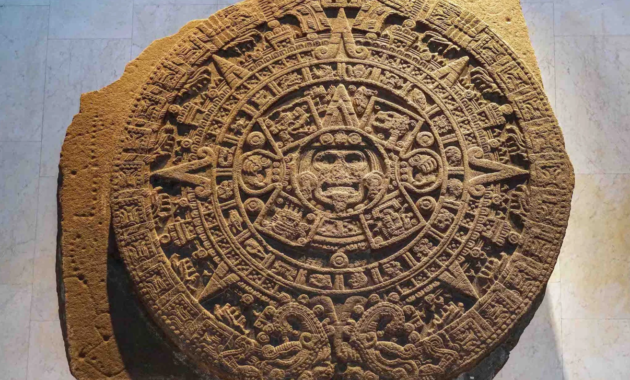
The Aztec Sun Stone is a massive carved basalt disk created in the late 15th century. It reflects the Aztec worldview, combining mythology, astronomy, ritual timekeeping, and historical belief into a single monumental design.
Rather than serving as a practical daily calendar, the Sun Stone represents a symbolic calendar system used to explain cosmic cycles and the structure of time.
The Central Figure and the Five Suns Myth
At the center of the Sun Stone is a powerful deity figure associated with the Sun and cosmic movement. Surrounding this figure are symbols representing the Five Suns, which refer to different eras of creation and destruction in Aztec cosmology.
Each “Sun” symbolizes a world age believed to have ended due to natural or cosmic catastrophes, reinforcing the idea that time is cyclical rather than linear.
Calendar Systems Represented on the Sun Stone
The Tonalpohualli (260-Day Ritual Calendar)
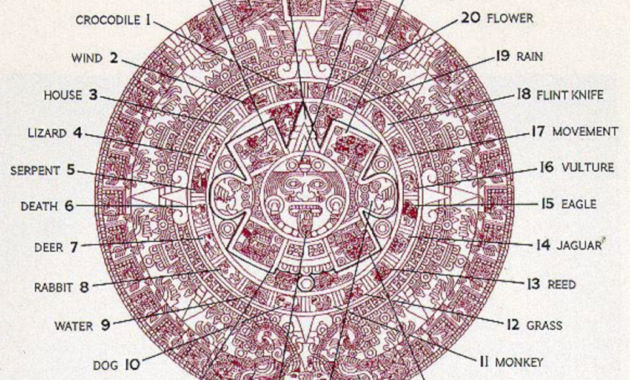
The Aztecs used a 260-day ritual calendar known as the Tonalpohualli. This system combined 20 day signs with 13 numbers, creating a sacred cycle used for divination, ceremonies, and determining auspicious dates.
The Sun Stone includes representations of these day signs, reflecting the spiritual importance of ritual time.
The Xiuhpohualli (365-Day Solar Calendar)
The Xiuhpohualli was the Aztec solar calendar, consisting of 365 days divided into 18 months of 20 days, plus five additional days considered unstable or dangerous.
This calendar governed agricultural activities, seasonal festivals, and solar observations.
Astronomical Knowledge Encoded in Stone
The Aztec Sun Stone reflects advanced astronomical understanding. The placement of symbols corresponds to:
- Solar cycles and seasonal changes
- Cardinal directions and cosmic balance
- The movement of celestial bodies
The Sun Stone demonstrates how astronomy, religion, and state power were closely linked in Aztec society.
Time, Sacrifice, and Cosmic Order
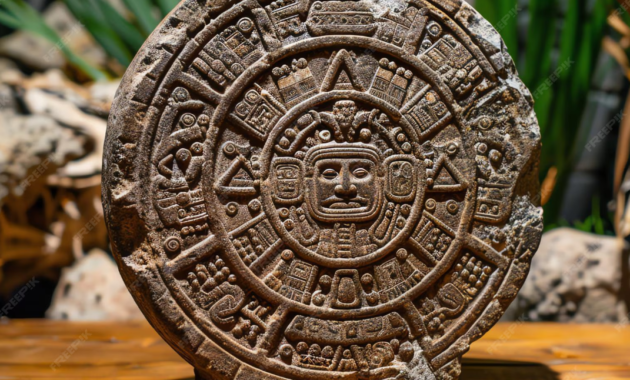
In Aztec belief, the Sun required nourishment to continue its journey across the sky. Ritual offerings and ceremonies were viewed as essential for maintaining cosmic stability.
The Sun Stone visually reinforces this belief, emphasizing humanity’s responsibility to sustain the universe through ritual action.
Differences Between the Aztec Sun Stone and Modern Calendars
Unlike modern calendars designed for scheduling daily life, the Aztec Sun Stone functions as a cosmological model. It illustrates how time, space, gods, and human activity were interconnected.
Its purpose was educational, symbolic, and ceremonial rather than practical timekeeping.
Common Misconceptions About the Aztec Calendar Stone
A common misunderstanding is that the Sun Stone was used as a simple wall calendar. In reality, it served as a monumental expression of Aztec cosmology and astronomical philosophy.
It also did not predict specific future events but explained recurring cosmic patterns.
Why the Aztec Sun Stone Still Matters Today
The Aztec Sun Stone remains an important source for understanding ancient American science and worldview. It highlights how sophisticated astronomical systems existed in the Americas long before modern scientific instruments.
Today, the Sun Stone is studied by archaeologists, historians, astronomers, and educators worldwide.
Conclusion
The Aztec Sun Stone is a remarkable example of how ancient civilizations encoded astronomical knowledge and philosophical ideas into art and architecture. As a symbolic calendar system, it reveals a deep understanding of time, cosmic cycles, and humanity’s role within the universe.
By studying the Sun Stone, we gain insight into the intellectual and spiritual achievements of the Aztec civilization.
FAQ
What is the Aztec Sun Stone?
The Aztec Sun Stone is a carved stone disk representing Aztec cosmology, calendar systems, and astronomical beliefs.
Is the Aztec Sun Stone an actual calendar?
It is a symbolic calendar system rather than a practical daily calendar.
What calendars are shown on the Aztec Sun Stone?
The stone references the 260-day ritual calendar and the 365-day solar calendar.
Why is astronomy important in the Aztec Sun Stone?
Astronomy guided religious rituals, agriculture, and the Aztec understanding of cosmic order.
Does the Aztec Sun Stone predict the future?
No. It explains cyclical time and cosmic patterns rather than specific future events.