Before 1492, Pre-Columbian civilizations like the Maya, Aztecs, and Incas crafted calendar systems more sophisticated than many contemporary European ones. These interlocking cycles and linear counts orchestrated agriculture, religion, governance, and daily life across Mesoamerica and South America. This SEO-optimized guide explores their development and profound cultural impacts, from ritual divination to imperial administration.
Genesis of Mesoamerican Calendars (1500 BCE–250 CE)
The Olmec (1500–400 BCE) laid the groundwork with a 260-day ritual cycle, seen in La Venta monuments. By the Middle Preclassic, Zapotecs at Monte Albán inscribed full dates, blending numbers and glyphs. The San Bartolo murals (300–200 BCE) provide the oldest Maya calendar record—”7 Deer” in the 260-day count—used for elite ceremonies.
These early systems merged observation of Venus, eclipses, and solstices with mythology, creating a shared temporal language. This fostered trade networks and cultural exchange, as communities synchronized markets and migrations to calendar events.
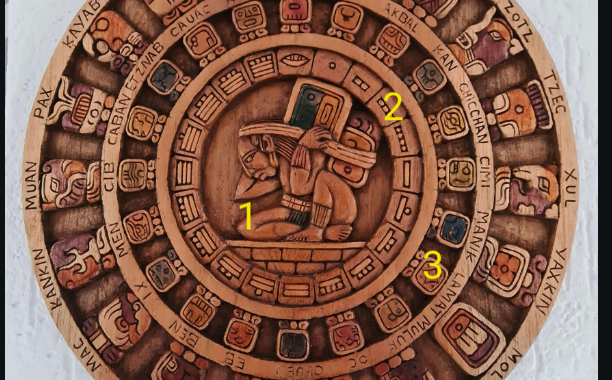
Maya Calendar Mastery: Three Interlocking Systems
Tzolk’in – The Divine 260-Day Cycle
Combining 13 numerals and 20 day lords (e.g., Hunab, Muluc), the Tzolk’in generated 260 permutations for prophecy. “4 Jaguar” days favored warriors; “13 Death” warned against travel. Naming newborns after favorable days reinforced social bonds, while priests’ codices like the Dresden detailed rituals, embedding time in spirituality.
Haab’ – Practical 365-Day Solar Calendar
With 18 months (Pop, Uo, etc.) of 20 days plus Wayeb’s perilous five, Haab’ tracked rainy seasons for maize cycles. Zenith sun passages marked Pop’s start, guiding terracing and slash-burn agriculture. Calendar Round (52 Haab’ years = 73 Tzolk’in) triggered renewal festivals, preventing societal “apocalypse.”
Long Count – Historical Epoch Tracker
From Mythic Tree creation (3114 BCE), Long Count used vigesimal math: baktun (144k days), katun (20 baktun), etc. Tikal Stela 31 (445 CE) exemplifies ruler propaganda, dating accessions to cosmic favor. It chronicled 13 baktuns until 2012, proving linear history within cyclical cosmos.
Aztec Adaptations: Power Through Prophecy
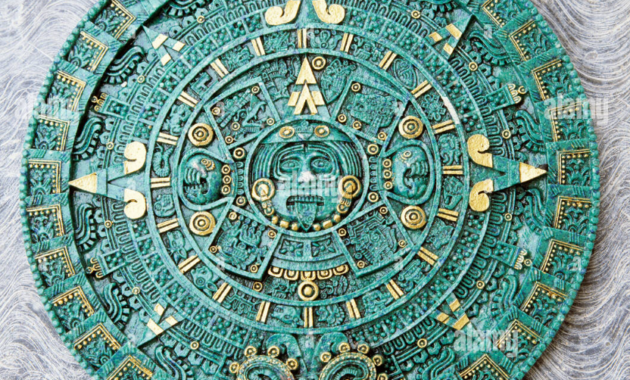
Mexica tonalpohualli mirrored Tzolk’in for tonalli (fate) readings; xiuhpohualli managed empire. Sun Stone layers five suns destroyed by jaguars, floods—calendars prophesied the current eagle-sun era. Moctezuma’s priests timed flower wars on Venus stations, fueling Tenochtitlán’s rise to 200k population.
52-year toxcatl renewals—sacrificing captives, relighting fires—united the Triple Alliance, showing calendars as political glue.
Inca Quipu Calendars: Cord-Based Empire Management
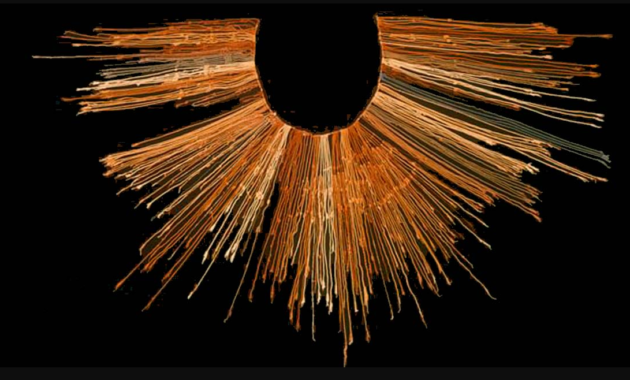
Without glyphs, Incas knotted quipus for 12-month solar year, adjusting via Inti Raymi (solstice). Ceques (calendar lines) from Cusco shrines divided landscape into ritual months; quipus tallied potatoes, llamas for Capac Raymi. This system scaled Tawantinsuyu’s 12M subjects, from road-building to storehouse rotations.
Agriculture Transformed by Celestial Timing
Maya Pleiades risings signaled burns; Aztec metztli moons optimized chinampas yields. Inca ceque ceque paths timed potato harvests across 3,000m altitudes. Calendars mitigated El Niño droughts, sustaining cities like Teotihuacan (125k residents). Failed predictions triggered famines, toppling kings—like Palenque’s Pacal III.
Religious Cosmology and Social Order
Time was deified: Maya Itzamna invented counts; Aztec Tezcatlipoca ruled tonalpohualli. E-Group pyramids tracked solstices for bloodletting; Venus tables predicted eclipses for sacrifices. Elites—ahau nobles, priest classes—monopolized knowledge, justifying hierarchies. Commoners followed almanacs for healing, weaving patterns timed to moon phases.
Cyclical fatalism inspired codices, murals (Bonampak), pottery motifs repeating glyphs, infusing art with temporality.
Architecture and Politics Aligned to Stars
Chichen Itza’s Kukulkan pyramid casts serpent shadow on equinox; Uaxactun E-Groups observed solstices. Rulers erected dated stelae post-victories, as at Dos Pilas. Calendar errors eroded legitimacy—Copán’s 18 Rabbit fell after eclipse mishandling. Thus, observatories like El Caracol empowered dynasties.
Enduring Legacy in Contemporary Culture
Post-conquest, Tzolk’in survives in Guatemalan Maya rites, Q’eqchi’ farming. Inti Raymi revives annually in Cusco. UNESCO recognizes Dresden Codex; 2012 hype spotlighted Long Count. These systems affirm indigenous genius, influencing modern calendars and astronomy.
Key Takeaways: Calendars as Civilization Catalysts
- Agriculture: Timed crops to stars, enabling urbanization.
- Religion: Cyclical rites unified beliefs, demanded elites.
- Politics: Dated monuments legitimized rule
- Culture: Infused art, identity with cosmic rhythm.
Pre-Columbian calendars prove timekeeping forged empires—lessons in harmony with cosmos still relevant today.